February 6, 2026
Choosing the right HVAC system for a commercial building is a major decision that affects comfort, operating costs, and long-term reliability. Business owners and facility managers often face a wide range of options, each with its own advantages and limitations. One solution that continues to grow in popularity across offices, retail spaces, warehouses, and industrial facilities is the rooftop HVAC unit. Here's a look at how these systems work and what they can offer.
What Is a Rooftop HVAC Unit?
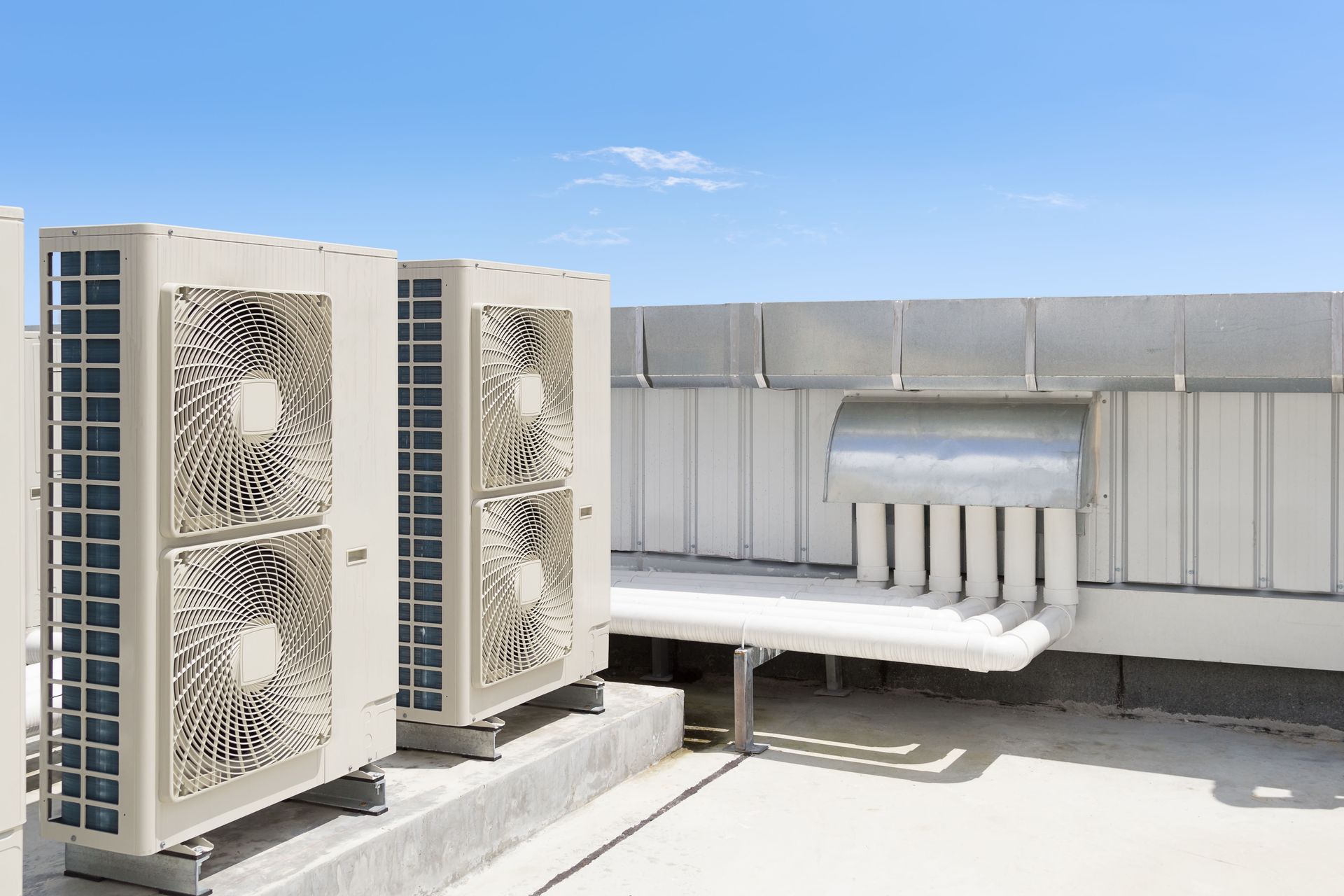
A rooftop HVAC unit, often referred to as an RTU, is a self-contained heating and cooling system installed directly on the roof of a commercial building. Unlike split systems, which separate indoor and outdoor components, rooftop units house heating, cooling, air handling, and filtration in one compact cabinet. Conditioned air is distributed throughout the building via ductwork that runs from the roof into the interior spaces below.
This design makes rooftop systems especially appealing for commercial buildings where interior floor space is limited or where a centralized system simplifies climate control. RTUs can be configured for cooling only or for both heating and cooling, depending on the building’s requirements.
Why Rooftop Units Are Common in Commercial Buildings
Rooftop HVAC units have become a standard choice in many commercial applications because they offer a practical balance of performance and convenience. Placing the system on the roof keeps equipment out of occupied spaces, which reduces noise and frees up valuable interior square footage. This is particularly beneficial in retail environments, restaurants, and offices where layout flexibility matters.
Another reason rooftop units are widely used is their scalability. Multiple units can be installed to serve different zones of a building, allowing for better temperature control in spaces with varying occupancy or usage patterns. This zoned approach can improve comfort while preventing energy waste.
Space and Design Considerations
One of the biggest advantages of a rooftop HVAC system is how it impacts building design. Since the unit is installed on the roof, there is no need to dedicate indoor mechanical rooms or exterior ground space for HVAC equipment. This can be especially valuable for urban or densely developed properties where space is limited.
However, not every roof is automatically suitable for a rooftop unit. Structural capacity must be evaluated to ensure the roof can support the weight of the equipment. Access for installation and maintenance is also an important consideration. At Temperature Engineering, we assess roof conditions, load requirements, and access points before recommending a rooftop solution.
Energy Efficiency and Performance
Modern rooftop HVAC units are significantly more energy efficient than older models. Advances in compressor technology, heat exchangers, and controls have improved performance while reducing operating costs. Many units now offer variable-speed fans and high-efficiency components that adjust output based on real-time demand.
Efficiency also depends on proper sizing and installation. An undersized unit may struggle to maintain comfort, while an oversized unit can short-cycle, leading to uneven temperatures and unnecessary energy use. Working with experienced HVAC contractors ensures the system is designed to match your building’s size, layout, and usage patterns.
Installation Advantages for Commercial Properties
From an installation standpoint, rooftop units often streamline the process compared to more complex HVAC configurations. Because the system is self-contained, installation typically involves setting the unit, connecting ductwork and electrical systems, and configuring controls. This can reduce installation time and limit disruption to daily business operations.
For existing buildings undergoing upgrades or replacements, rooftop units can be particularly appealing. In many cases, older rooftop systems can be replaced with newer, more efficient models using existing curb and duct connections, minimizing structural modifications.
Maintenance and Accessibility
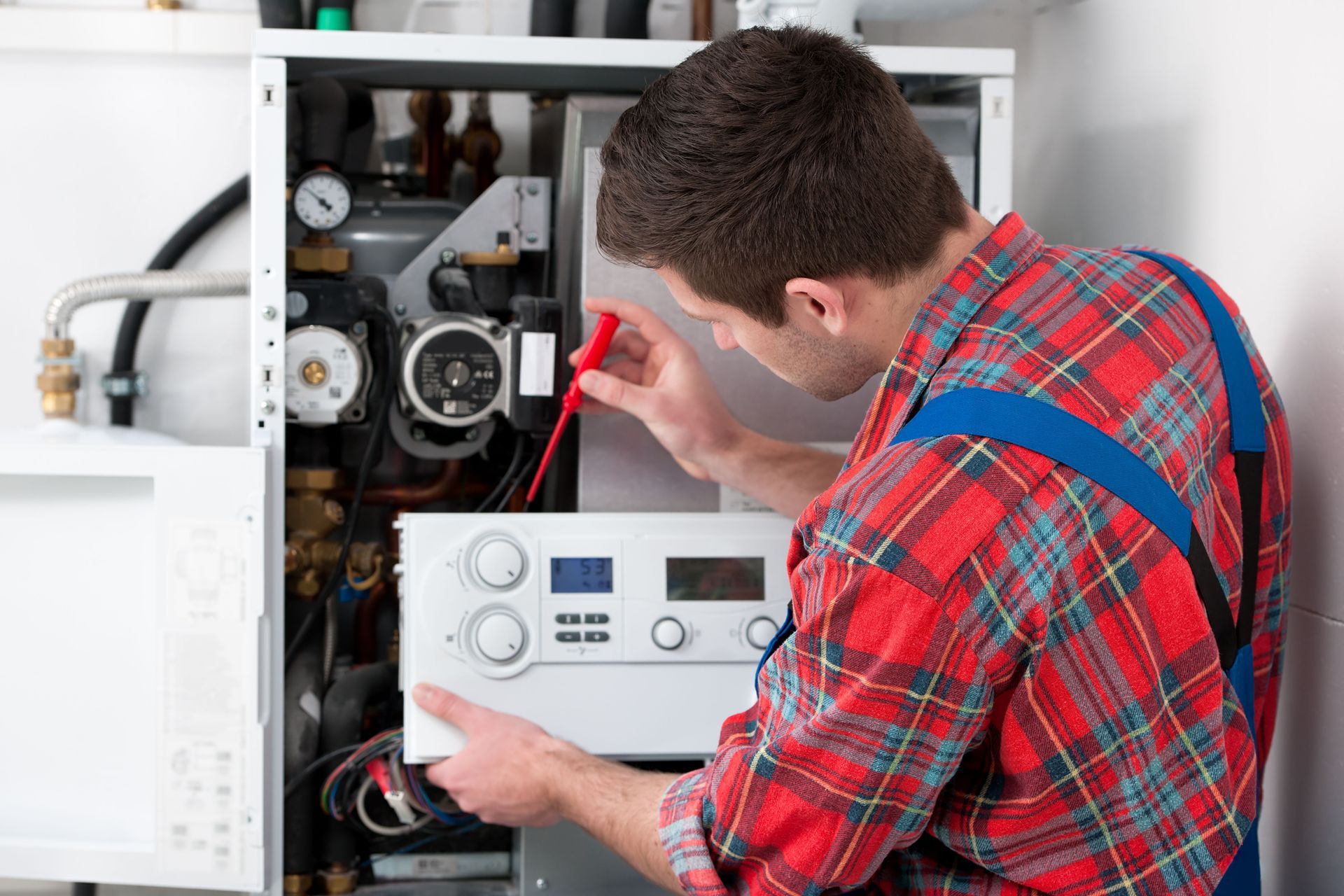
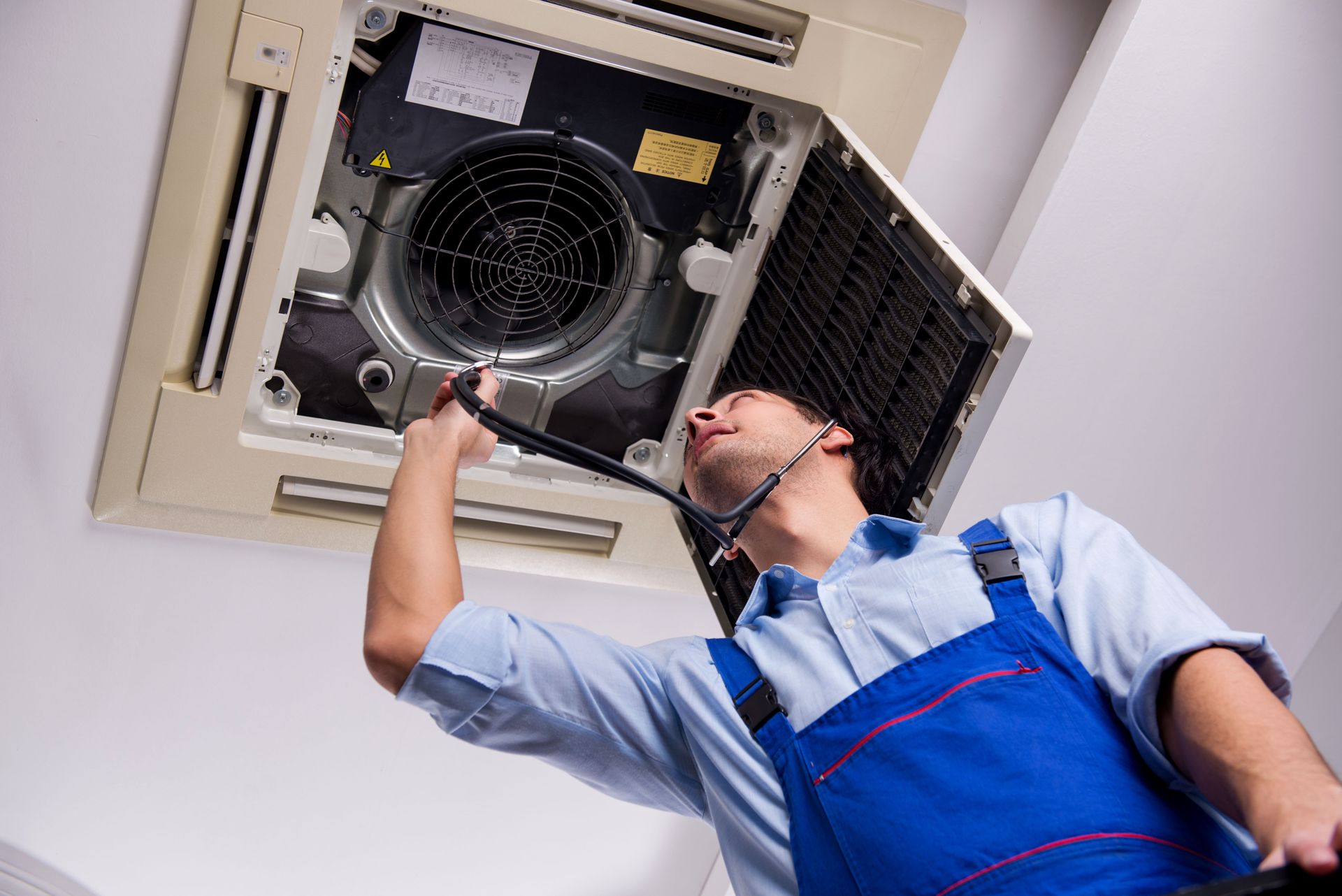
Routine maintenance is essential for any commercial HVAC system, and rooftop units offer some clear advantages in this area. Since the equipment is located outside of occupied spaces, maintenance activities generally cause less disruption to building occupants. Technicians can perform inspections, filter changes, and repairs without entering offices or customer areas.
That said, rooftop systems are exposed to weather conditions year-round. In Southeast Michigan, this means snow, ice, rain, and temperature extremes. Regular inspections are critical to identify wear, drainage issues, or weather-related damage before they affect system performance. Our team provides ongoing maintenance services designed to keep rooftop units operating reliably in all seasons.
Expected Lifespan of Rooftop HVAC Units
Understanding how long a system is likely to last is an important part of planning for capital expenses. According to the Ohio Facilities Construction Commission, commercial rooftop HVAC units generally have a lifespan of between 15 and 20 years. Actual longevity depends on factors such as usage intensity, maintenance quality, and environmental conditions.
Proactive maintenance can help systems reach or even exceed their expected lifespan. Addressing minor issues early, keeping components clean, and ensuring proper airflow all contribute to long-term reliability. When replacement time does approach, having a trusted service partner makes the transition smoother and more predictable.
Zoning and Comfort Control
One of the key benefits of rooftop systems is their ability to support zoned temperature control. By using multiple units or advanced control systems, different areas of a building can maintain different temperature settings. This is especially useful in buildings with varying occupancy levels, such as offices with conference rooms, retail spaces with storage areas, or facilities that operate on different schedules.
Improved zoning not only enhances comfort but can also reduce energy costs by avoiding unnecessary heating or cooling in unoccupied areas. Proper control strategies are an important part of getting the most value from a rooftop HVAC system.
The Importance of Professional Guidance
Selecting, installing, and maintaining a rooftop HVAC unit requires experience and technical expertise. Commercial systems are more complex than residential setups and must comply with building codes, safety standards, and efficiency requirements. Working with knowledgeable HVAC contractors helps ensure that every stage of the process is handled correctly.
Temperature Engineering brings over 100 years of combined experience to commercial HVAC projects throughout Southeast Michigan. Our team understands the unique challenges of commercial environments and provides solutions designed for long-term performance and reliability.
Emergency Support and Ongoing Service
Even the best HVAC systems can experience unexpected issues. When heating or cooling fails in a commercial building, downtime can impact employees, customers, and operations. That’s why access to reliable support matters.
We offer 24/7 emergency services to address urgent HVAC problems when they arise. Whether it’s a rooftop unit malfunction during a heatwave or a heating issue in the middle of winter, having experienced technicians available around the clock provides peace of mind and helps minimize disruptions.
Making the Right Choice for Your Building
Deciding whether a rooftop HVAC unit is right for your building involves balancing space, efficiency, budget, and long-term maintenance considerations. For many commercial properties, rooftop systems offer a practical and effective solution that supports comfort and operational efficiency. For others, alternative systems may be a better fit.
The key is working with a service provider who takes the time to evaluate your building and explain your options clearly. With the right guidance, you can choose a system that meets your needs today while supporting future growth.
At Temperature Engineering, we’re committed to helping businesses across Southeast Michigan find HVAC solutions that align with their goals. With deep industry experience, comprehensive commercial HVAC services, and 24/7 emergency support, we’re here to help you determine whether a rooftop HVAC unit is the right choice for your building and keep it performing at its best for years to come. Contact us today to get started!