June 3, 2026
Maintaining a comfortable indoor environment is a primary priority for business owners. Consistent climate control protects valuable inventory, satisfies clients, and ensures employee productivity remains high during winter. Neglecting industrial systems leads to sudden operational breakdowns, catastrophic business interruptions, and massive financial liabilities. Understanding the complexities of commercial heating repairs ensures minor component failures are resolved before causing entire facility shutdowns. Proactive system awareness allows managers to protect budgets and allocate capital efficiently.
Continuous oversight of your facility's climate control architecture plays a vital role in long-term asset preservation. Heating equipment operating under constant stress experiences premature degradation over time. Routine professional assessments and awareness of common warning signs empower decision-makers to implement strategic interventions. Developing a framework for addressing mechanical malfunctions transforms how a company manages its facility budget.
1. Identify Common Heating System Problems
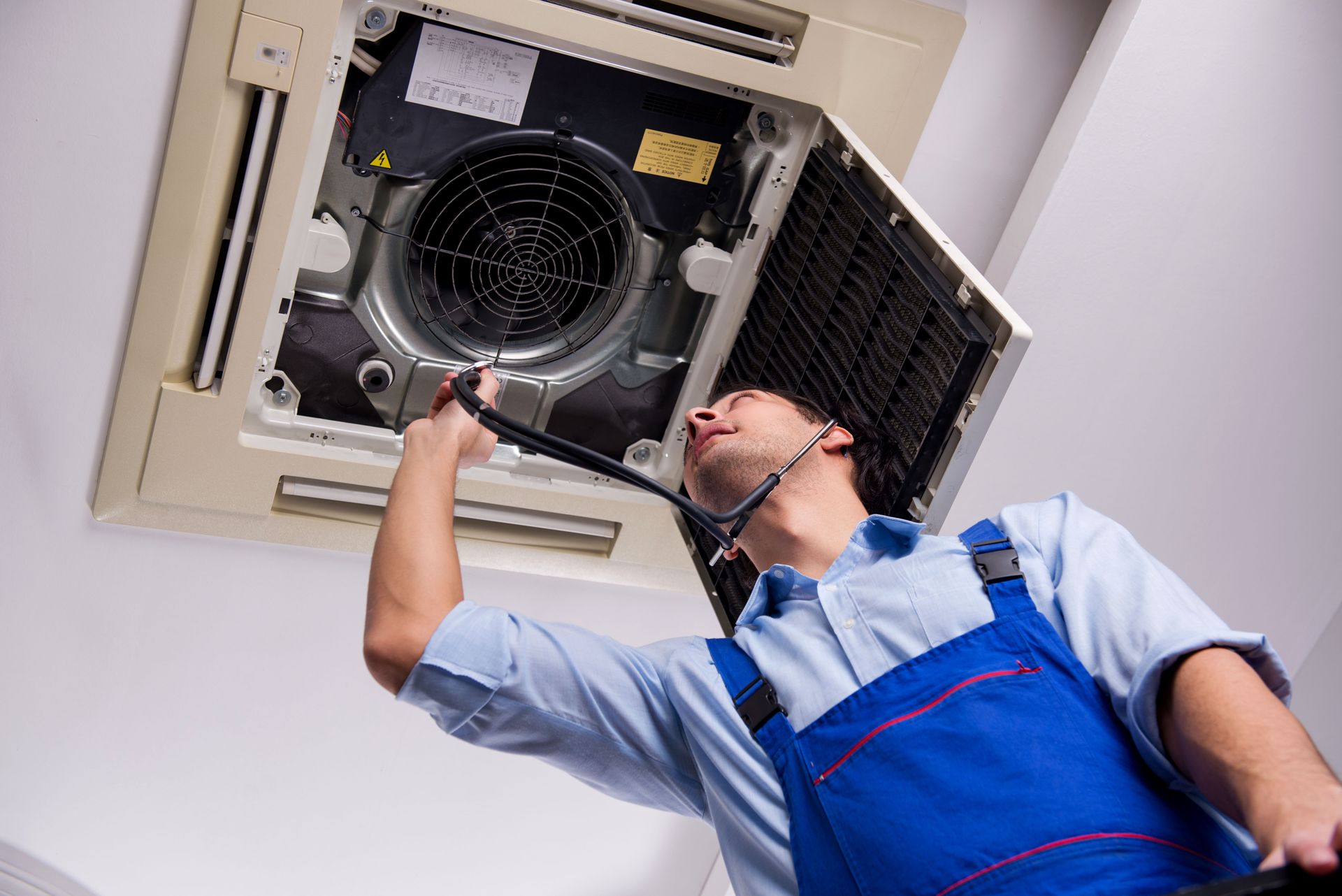
Recognizing early indicators of mechanical distress is the first defense against catastrophic failure. Unusual noises like loud rattling, metallic banging, or persistent humming indicate loose components or failing blower motors. Ignoring these auditory warnings accelerates component degradation, turning simple adjustments into incredibly expensive commercial heating repairs. Facility operators must establish routine listening protocols and train staff to report baseline operational deviations. Quick identification ensures minor friction is resolved before causing systemic shutdowns that impact daily business operations.
Inconsistent thermal distribution across different zones of a commercial property represents another widespread issue disrupting productivity. This uneven performance usually stems from obstructed duct networks, miscalibrated thermostats, or short-cycling furnaces. Monitoring utility expenses is a reliable way to gauge system health because sudden spikes point to deep-seated mechanical inefficiencies. When facilities experience these sudden increases, it highlights the value of optimization; according to RTU Tracker, building managers can lower their overall energy expenditures by 30 to 40% through modern HVAC efficiency upgrades, while routine professional upkeep by itself can trigger 15 to 25% in savings.
2. Execute Essential Preventative Maintenance Practices
Implementing a rigorous preventative maintenance schedule is essential for sustaining optimal airflow and preserving internal component integrity. Regularly replacing specialized commercial air filters prevents dust accumulation from choking the system, which forces motors to work harder and consume excessive power. Overlooking filter hygiene restricts the entire ventilation pathway, leading to severe thermal stress on heat exchangers and causing premature system shutdowns. Establishing a strict replacement cycle significantly enhances indoor air quality while reducing the physical strain placed on complex internal machinery.
Comprehensive professional inspections must extend deep into ductwork maintenance, component lubrication, and detailed ventilation checks to secure long-term operational reliability. Over time, heavy continuous use degrades factory lubrication on bearings and joints, generating destructive friction that compromises system longevity. Certified technicians must carefully clean and seal extensive duct networks to eliminate air leakage and ensure uniform thermal delivery across the entire facility footprint. Verifying the integrity of ventilation pathways protects occupants from stagnant air and guarantees compliance with local commercial air exchange mandates.
3. Pursue Cost-Effective Repair Solutions
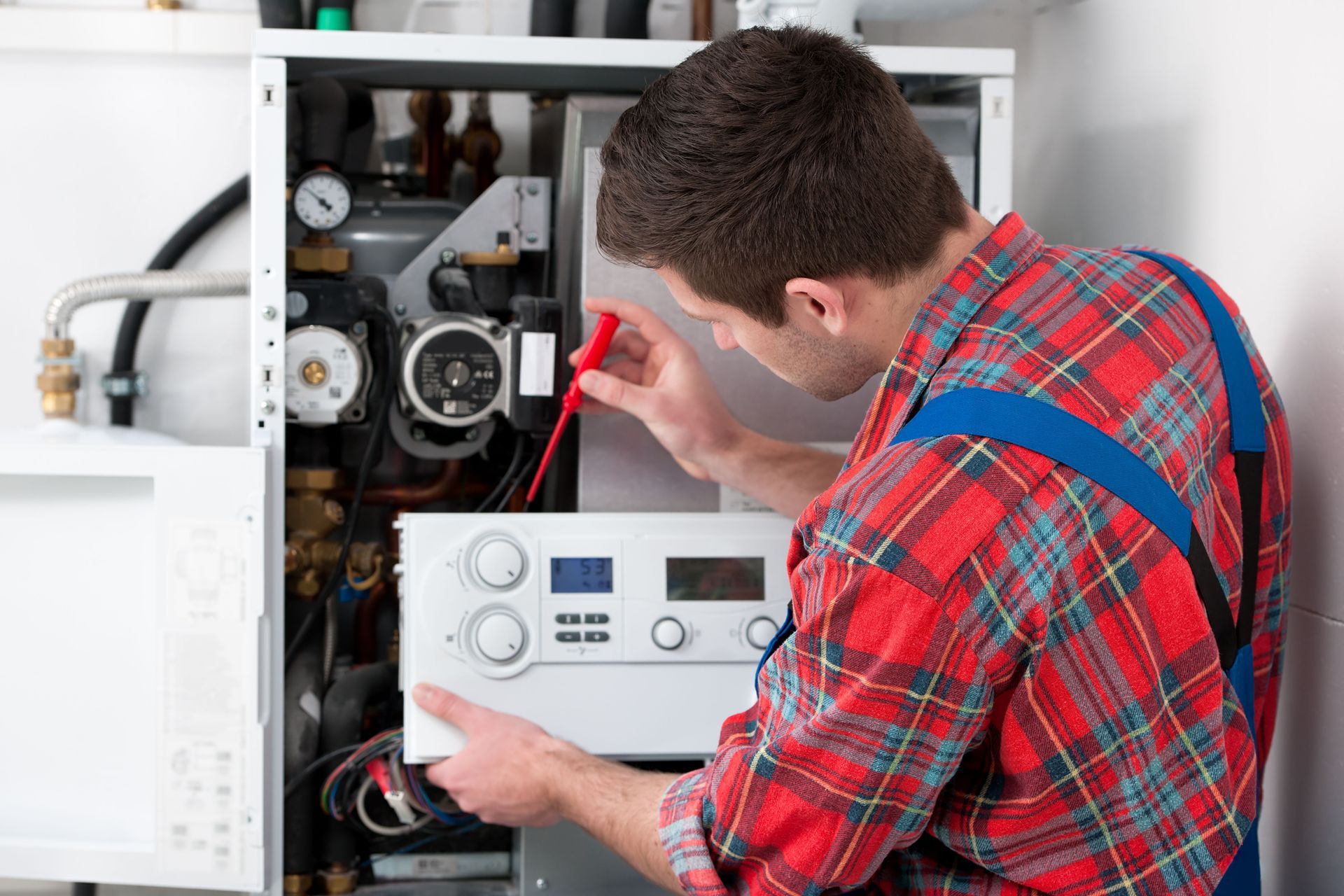
Navigating budget constraints requires a strategic approach to managing complex diagnostic procedures. When system performance declines, obtaining precise cost estimations from certified HVAC specialists helps managers avoid unexpected financial surprises and budget accurately. Relying on professional diagnostics allows facility directors to pinpoint exact mechanical failures, distinguishing between isolated component glitches and widespread systemic breakdowns. Entrusting these complicated diagnostic processes to qualified specialists ensures that all commercial heating repairs are executed safely and efficiently.
Maximizing the longevity of any restorative service depends heavily on investing in premium, factory-certified replacement components. High-quality parts offer superior durability, better manufacturer warranties, and precise compatibility with existing commercial infrastructure, minimizing the likelihood of recurring failures. Exploring flexible commercial financing options and fully utilizing existing equipment warranties can substantially mitigate the upfront financial impact of major mechanical overhauls. Properly documented professional service histories preserve warranty validity, ensuring that businesses remain protected against future component defects.
4. Compare Upgrading and Repairing Older Systems
Deciding whether to repair an aging heating unit or invest in a complete system replacement demands a clear cost analysis. Older commercial systems frequently suffer from declining energy efficiency, outdated engineering, and hard-to-source components that drive up emergency servicing fees. Financial managers should evaluate compounding costs of frequent service calls against initial capital expenditures required for modern system installations. Evaluating system age alongside historical maintenance logs provides a clear picture of whether an asset has become a financial liability.
Modern advancements in climate control technology offer compelling incentives to replace legacy machinery with high-efficiency alternatives. Contemporary systems feature advanced programmable controllers, smart automation integration, and superior heat transfer designs that lower carbon footprints. Transitioning to these cutting-edge platforms allows enterprises to comply easily with evolving environmental regulations while enjoying consistent indoor comfort. Leveraging government rebates, green energy grants, and utility company incentives can offset a substantial portion of initial acquisition costs, minimizing the need for emergency commercial heating repairs.
5. Categorize Commercial Heating System Types
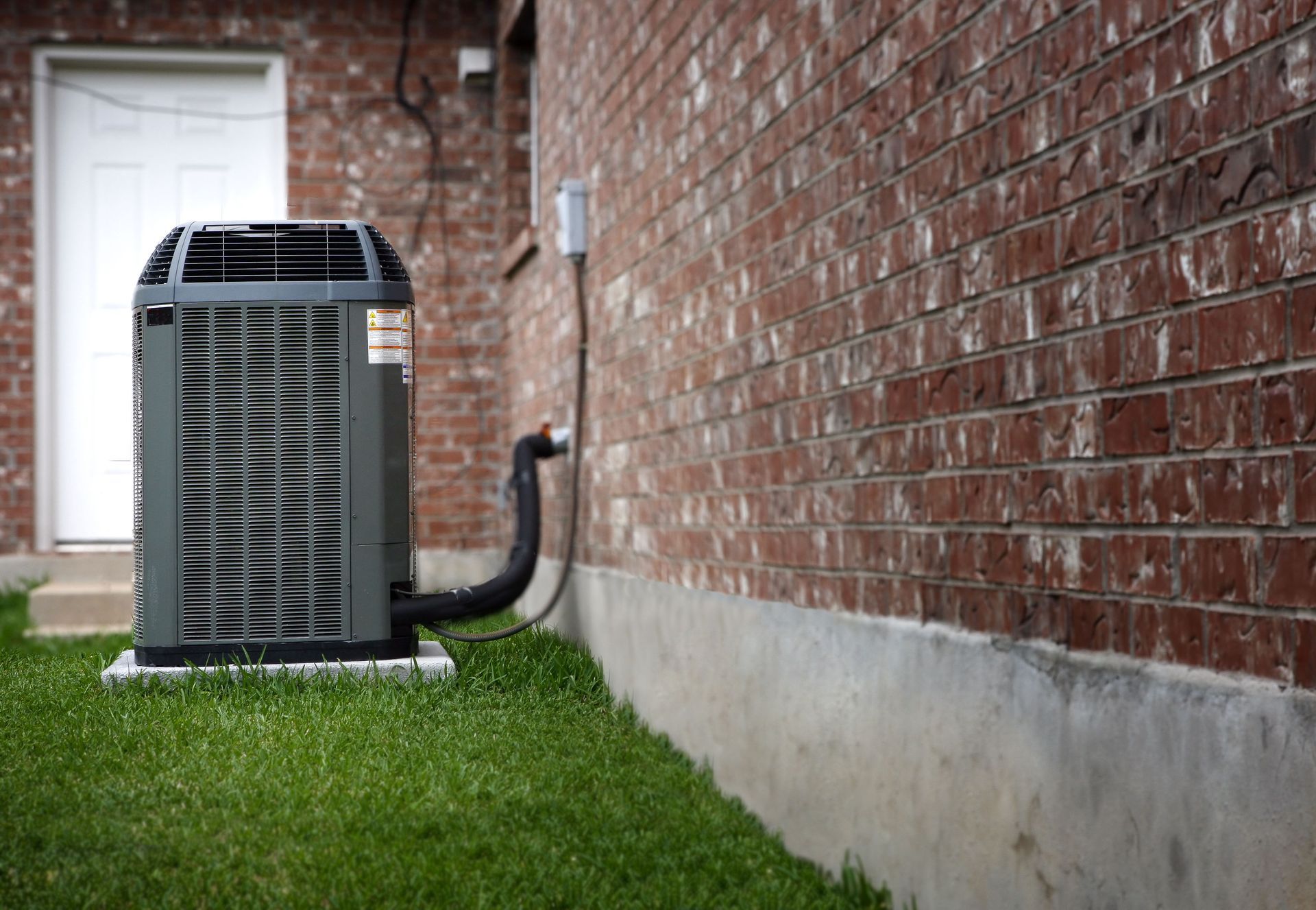
Selecting or maintaining a commercial property requires a thorough understanding of the specific heating architectures. Gas heating configurations are highly favored for their rapid heat delivery and cost-effectiveness in regions with accessible natural gas lines. However, these systems require careful monitoring of burners and heat exchangers to prevent hazardous leaks and ensure baseline performance. Electric heating systems present a clean alternative with lower initial maintenance demands, though fluctuating electricity rates can impact long-term operational costs across larger industrial facilities.
Alternative configurations like oil furnaces, commercial boilers, and advanced heat pump systems offer unique operational advantages tailored to specific regional climates. Heavy-duty boilers utilize water circulation to deliver reliable, high-temperature warmth, though they require routine pressure checks and sediment removal. Versatile heat pump systems provide dual heating and cooling capabilities, maximizing year-round energy efficiency in moderate climates despite higher initial installation costs. Understanding these diverse system profiles allows businesses to optimize their infrastructure investments and streamline future commercial heating repairs.
6. Enforce Safety Protocols and Compliance
Strict adherence to local building codes is mandatory for protecting commercial property investments and avoiding liabilities. Local regulations dictate exact installation, ventilation, and operational parameters that certified professionals must verify during routine inspections to maintain valid occupancy permits. Failing to meet these safety criteria can result in severe financial penalties, operational shutdowns, and compromised insurance coverage. Prioritizing code compliance ensures your system operates within legal boundaries while protecting the physical welfare of employees, clients, and assets during winter.
Comprehensive risk management involves establishing clear emergency shutoff procedures, mitigating carbon monoxide hazards, and executing regular staff safety training drills. Installing carbon monoxide detectors throughout the facility provides vital early warnings against colorless, odorless emissions from fuel-burning components. Staff training programs ensure that employees can locate emergency shutoffs instantly and respond correctly to unexpected mechanical failures or fire hazards. Proactive safety measures fortify corporate responsibility, minimize property damage risks, and maintain operational continuity when facing unexpected commercial heating repairs.
Understanding and implementing expert management strategies is a business necessity for maintaining efficient operations. Embracing preventative maintenance schedules, evaluating modern technology upgrades, and pursuing professional diagnostic solutions allows enterprises to achieve optimal climate control performance. Proactive engagement in system management translates directly to long-term operational reliability, enhanced energy efficiency, and fiscal prudence. Developing a relationship with certified HVAC experts ensures that your facility remains fully prepared for any seasonal challenges.
Safeguarding your enterprise against unexpected climate disruptions requires an ongoing commitment to system efficiency and professional mechanical support. Prioritizing regular component checkups and adhering to local safety standards helps prevent minor operational flaws from developing into major financial burdens. When your facility requires professional assistance to maintain perfect climate control and execute reliable commercial heating repairs, contact us at Temperature Engineering.