January 22, 2026
In the modern corporate landscape, the definition of a "healthy workspace" has shifted. While ergonomic chairs and standing desks once took center stage, the focus has pivoted sharply toward what we can’t see: the air we breathe. Indoor air quality (IAQ) is no longer just a facility management footnote; it is a critical component of employee wellness, cognitive function, and operational efficiency.
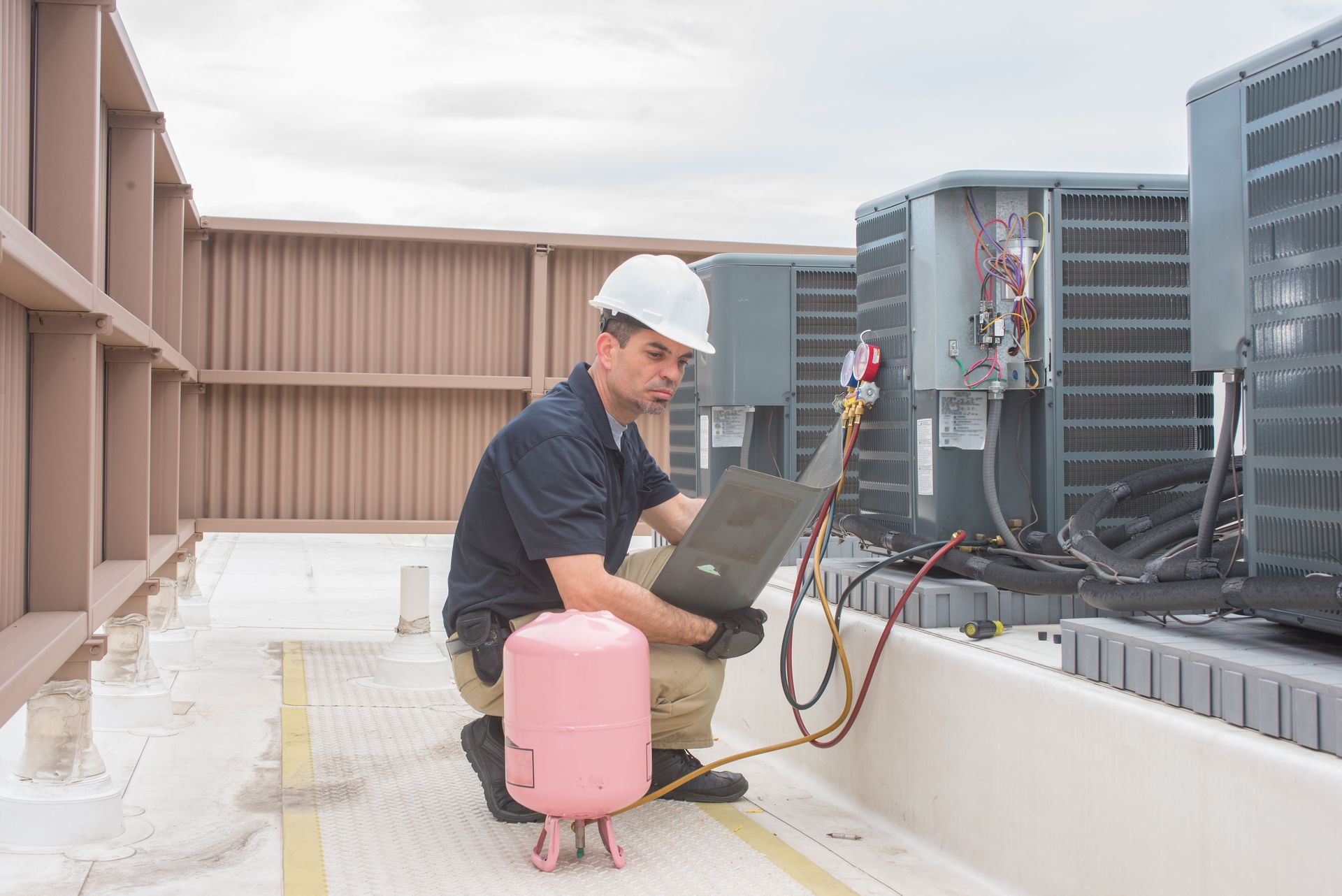
Poor air quality can lead to "Sick Building Syndrome," a condition where occupants experience acute health effects linked to time spent in a building. Symptoms include headaches, fatigue, and respiratory issues, which directly correlate to a dip in morale and a rise in healthcare costs. Conversely, high-quality air filtration and ventilation can boost productivity and reduce absenteeism. As businesses look to modernize their environments, partnering with local HVAC contractors becomes essential to navigating the complexities of commercial climate control.
1. Prioritize Regular Filter Replacements
The simplest yet most frequently overlooked aspect of air quality is the HVAC filter. These components serve as the first line of defense against dust, pollen, and volatile organic compounds (VOCs). Over time, filters become clogged, which not only degrades air quality but also forces the system to work harder, increasing energy costs and the risk of mechanical failure. For a business, a clogged filter is more than a nuisance; it’s an efficiency killer that impacts the bottom line.
For businesses, a standard residential filter often isn’t enough. High-efficiency particulate air (HEPA) filters or those with a high MERV (Minimum Efficiency Reporting Value) rating are necessary to capture smaller particles. However, a higher MERV rating increases resistance to airflow. Consulting with local HVAC contractors can help you determine the highest MERV rating your specific system can handle without restricting airflow, ensuring you strike the perfect balance between purity and performance.
2. Increase Fresh Air Ventilation
Modern office buildings are often designed to be airtight to maximize energy efficiency. While this keeps utility bills low, it can lead to "stale" air where carbon dioxide and pollutants accumulate. Increasing the "make-up air" — the amount of outdoor air brought inside — is vital for diluting indoor contaminants and ensuring a high oxygen concentration for mental clarity.
Mechanical ventilation systems, such as Energy Recovery Ventilators (ERVs), can exchange stale indoor air for fresh outdoor air while pre-conditioning it to maintain temperature. This ensures that your team isn't breathing the same recirculated air all day. This is particularly relevant as the industry expands; according to Jobber, global demand for commercial air conditioning systems is expected to grow at a rate of 7.43% from 2025 to 2030, driven largely by these advancements in ventilation and air purification technologies.
3. Monitor Indoor Humidity Levels
Humidity is a "Goldilocks" variable for businesses: too much, and you risk mold growth and dust mite infestations; too little, and employees suffer from dry skin, irritated eyes, and increased susceptibility to respiratory infections. Ideally, indoor humidity should be maintained within a moderate range to ensure both comfort and structural integrity. Maintaining this specific balance is crucial because extreme fluctuations can also lead to the off-gassing of chemicals from office furniture and building materials, further compromising the air your team breathes.
In humid climates, a commercial-grade dehumidifier integrated into your HVAC system can prevent the "musty" office smell and protect sensitive electronic equipment from moisture damage. In drier months, humidifiers prevent the spread of airborne viruses, which thrive in low-humidity environments. Professional local HVAC contractors can install sensors that monitor these levels in real-time, allowing your system to auto-adjust for optimal comfort without manual intervention.
4. Conduct Routine System Inspections
An HVAC system is a complex network of coils, blowers, and ductwork. If any part of this chain is contaminated — for instance, if moisture collects on cooling coils — it can become a breeding ground for bacteria and mold. Routine inspections are the only way to catch these issues before they become health hazards that require expensive remediation. This proactive oversight ensures that small mechanical inconsistencies do not snowball into widespread air quality crises that compromise the safety of your entire workforce.
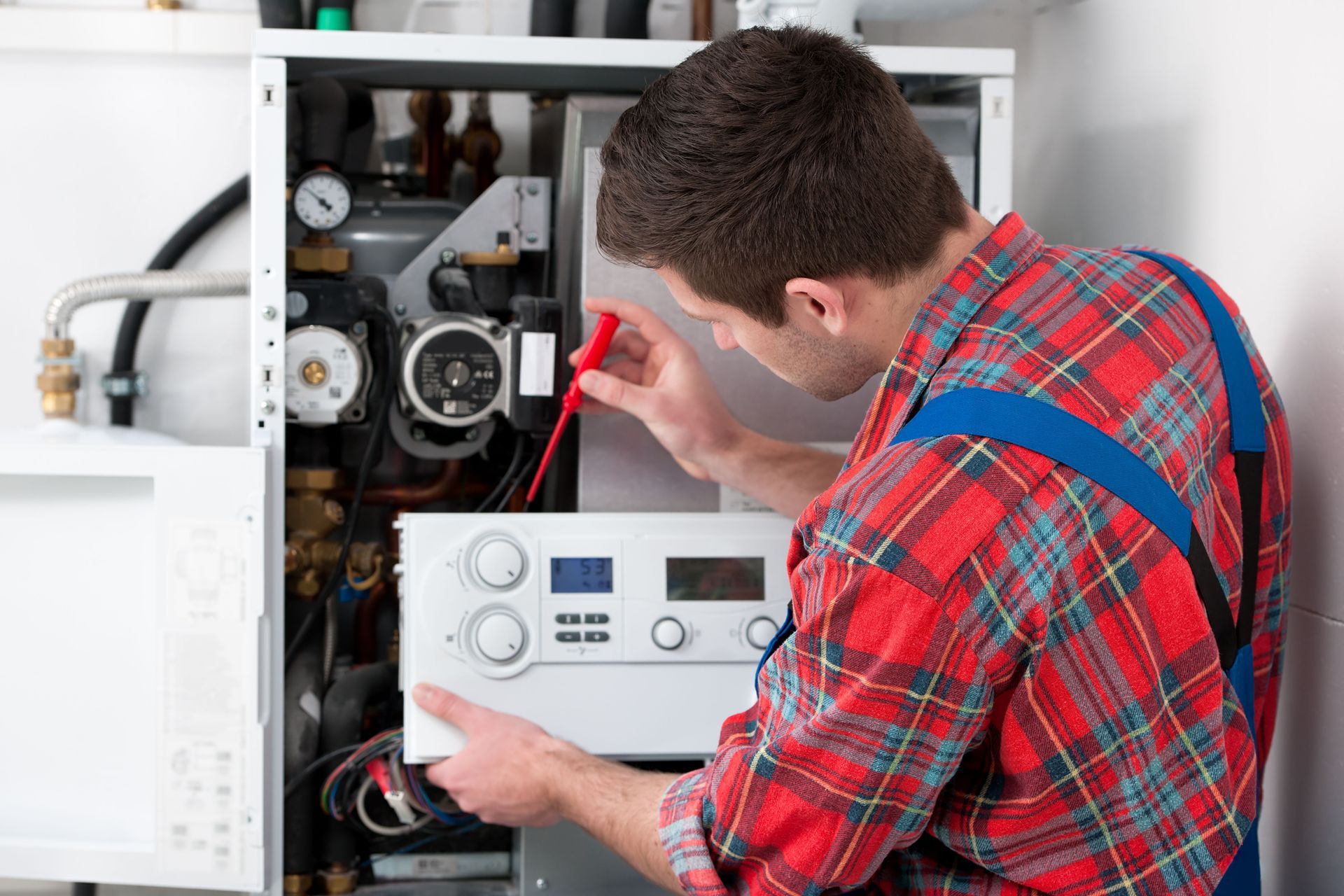
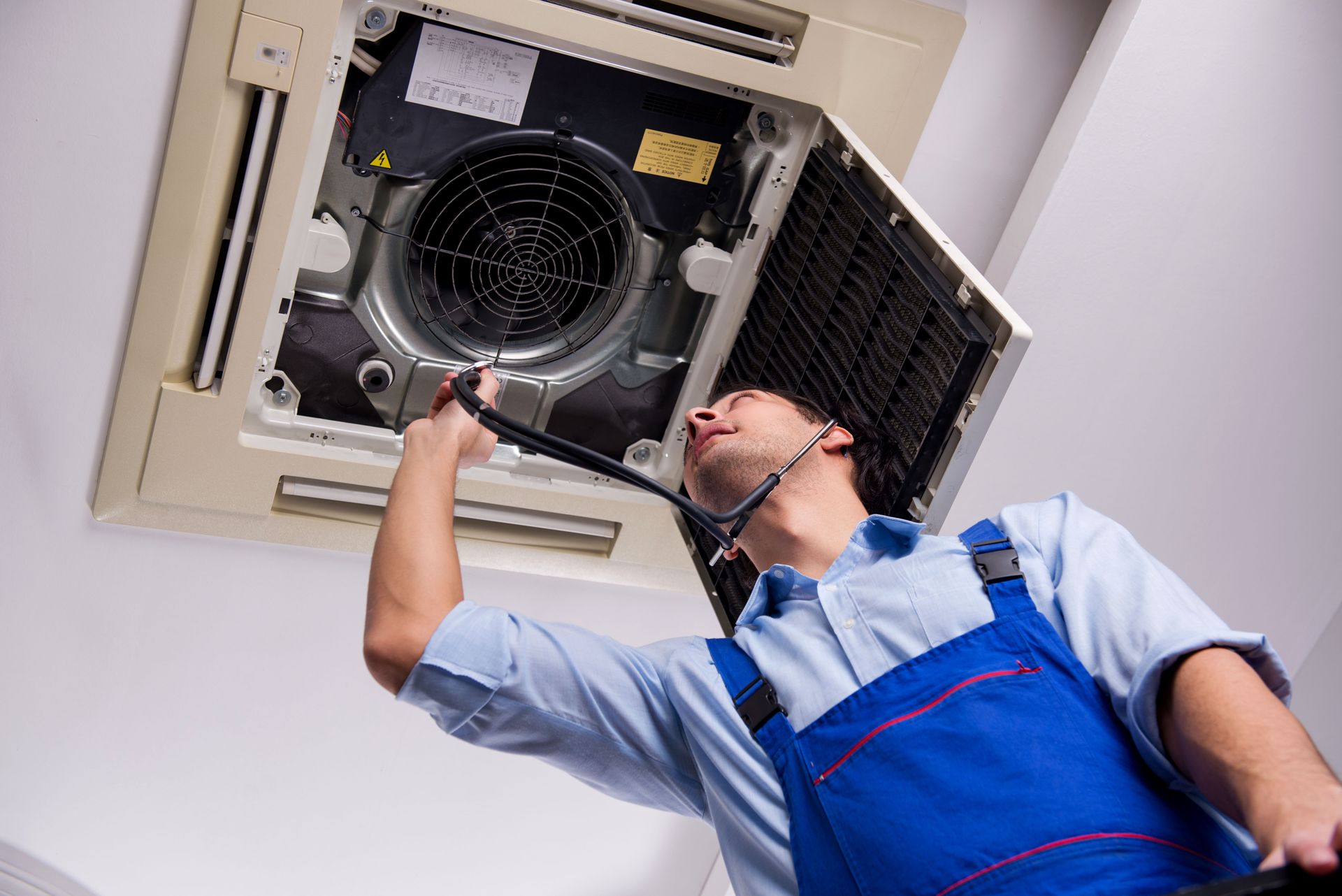
During a professional inspection, technicians check for leaks in the ductwork that might be pulling in unfiltered air from crawlspaces or attics. They also ensure that the condensate pans are draining correctly and that motors are running at peak efficiency. Establishing a maintenance contract with local HVAC contractors ensures that these checks happen like clockwork, preserving the longevity of your investment and the health of your staff.
5. Implement Advanced Air Purification
Beyond standard filtration, many businesses are now opting for active air purification technologies. Options like UV-C germicidal lights or bipolar ionization can be installed directly within the ductwork to target microscopic threats. UV lights work by neutralizing the DNA of microorganisms like bacteria and viruses as they pass through the HVAC unit, effectively "scrubbing" the air before it enters the workspace. Many local HVAC contractors now recommend these advanced systems as a primary defense against seasonal pathogens and common office allergens.
Bipolar ionization, on the other hand, releases charged ions that attach to particles, making them larger and easier for filters to catch, or neutralizing them entirely through chemical reactions. These technologies are particularly effective in high-traffic areas such as conference rooms or lobbies where person-to-person transmission risks are higher. Because these systems require precise electrical installation to be effective and safe, it is best to have them evaluated and installed by experienced local HVAC contractors.
6. Clean Air Ducts Periodically
While the debate continues on how often ducts need cleaning, in a commercial setting, the stakes are significantly higher. Over years of operation, dust, dander, and even construction debris can accumulate in the ductwork, hidden from view. Every time the fan turns on, these particulates are distributed throughout the office, settling on desks and being inhaled by staff.
If you notice dust buildup on vents or if employees are reporting increased allergy symptoms, it may be time for a deep clean. This process involves specialized high-powered vacuums and brushes to clear out the "lungs" of your building. Engaging local HVAC contractors for a ductwork audit can reveal whether a cleaning or a full sealing is necessary to improve the flow and cleanliness of your building's air, as leaks in the ducts often lead to further dust accumulation.
Improving indoor air quality is an investment that pays dividends in employee satisfaction, physical health, and long-term facility preservation. By focusing on high-quality filtration, proper ventilation, and precise moisture control, business owners can create an environment where staff feel energized rather than drained. As commercial cooling and air quality technologies continue to evolve through 2030, staying ahead of maintenance and upgrades is the smartest way to future-proof your facility and maintain a competitive edge.
When you manage a business, you have enough to worry about without second-guessing the air quality in your building. Partnering with professionals allows you to delegate the technical complexities of air scrubbing, humidity regulation, and mechanical efficiency to those with the right tools and training. By checking these six boxes, you aren't just maintaining a building — you're protecting your most valuable asset: your people.
If you’re ready to breathe easier and optimize your building’s performance, the experts at Temperature Engineering are here to help. From comprehensive system audits to the installation of cutting-edge purification technology, we provide the tailored solutions your business deserves. Contact us today to get started.