March 6, 2026
In the pursuit of sustainability and cost savings, energy efficiency has become a key goal for homeowners and businesses alike. HVAC systems, which account for a significant portion of energy consumption, are often a primary target for efficiency improvements. In this article, we will explore various aspects of energy-efficient HVAC repairs to help optimize system performance, reduce energy costs, and minimize environmental impact. With a focus on practical strategies and emerging technologies, we aim to provide comprehensive insights for those looking to enhance their systems. By addressing common issues and implementing best practices, the potential for reducing HVAC energy use is substantial.
Understanding Energy Efficiency in HVAC Systems
The importance of energy efficiency standards cannot be overstated, as they guide the design and operation of HVAC systems. Government and industry standards exist to ensure these systems are both environmentally friendly and cost-effective. For example, the Environmental Protection Agency's ENERGY STAR program sets benchmarks for energy efficiency. Meeting or exceeding these standards can make a significant difference in both energy consumption and carbon footprint. Consequently, adherence to these standards is essential for optimizing HVAC performance and achieving long-term savings.
Components of an efficient HVAC system work together to minimize energy use while maximizing comfort. Key elements include compressors, motors, and refrigerants, each playing a crucial role in system performance. Advanced compressors can modulate their speed to match the cooling demand, thus conserving energy. High-efficiency motors reduce electricity consumption during operation. Environmentally-friendly refrigerants not only improve performance but also minimize ecological impact.
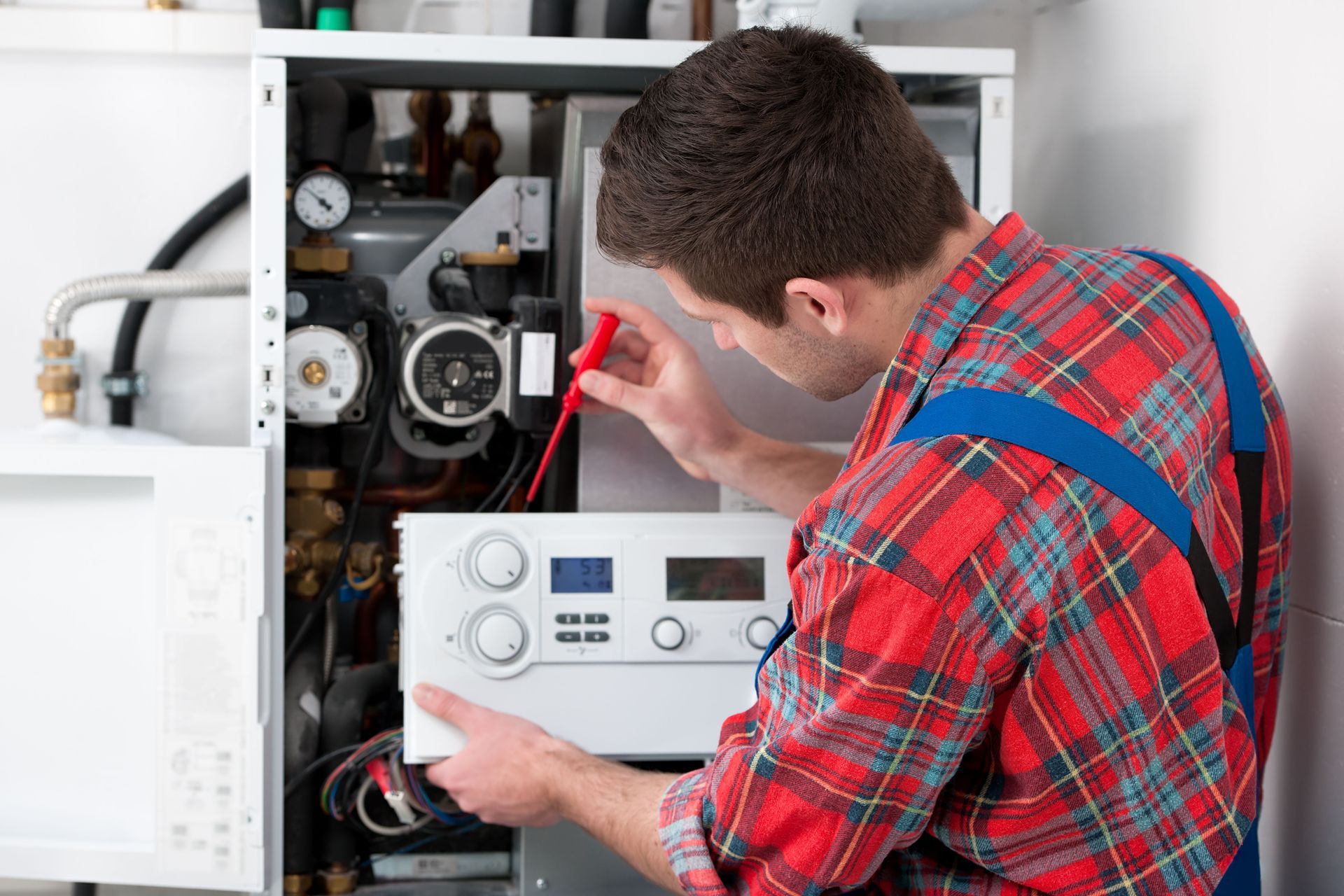
The role of HVAC system design is pivotal in ensuring energy efficiency. A well-designed system layout can dramatically reduce energy loss by optimizing air flow and minimizing obstructions. Proper placement of vents and ducts ensures even temperature distribution. Additionally, the use of reflective insulation materials can prevent heat transfer, further improving efficiency. This thoughtful design approach contributes to enhanced system performance and reduced energy costs over time. When things don't work like they used to, it may be time for HVAC repairs.
Common Energy Efficiency Issues in HVAC Systems
Airflow obstructions and duct leaks are major culprits of reduced efficiency, leading to HVAC repairs. Blockages within the system can cause motors to work harder, leading to increased energy consumption. According to This Old House, duct sealing alone can improve system efficiency by up to 20%. Leaks, meanwhile, can lead to significant energy loss, as conditioned air escapes before reaching its destination. Addressing these issues is crucial for maintaining optimal efficiency and ensuring that HVAC systems operate as intended.
Thermostat malfunctions can lead to inefficient energy usage and increased costs. A faulty thermostat may cause a system to overheat or overcool spaces, wasting energy. Regular calibration and, when necessary, the replacement of thermostats can prevent these inefficiencies. Programmable thermostats provide added benefits by allowing users to set schedules and adjust temperatures according to need. Through careful management of thermostat settings, occupants can achieve energy savings without sacrificing comfort.
Poor insulation has a significant impact on HVAC system efficiency. Inadequate insulation in the building envelope allows for heat transfer, which can compromise system performance. As HVAC systems work harder to maintain desired temperatures, energy consumption and costs rise. Investing in proper insulation can mitigate these issues and enhance energy efficiency. Insulation improvements are an effective way to achieve immediate reductions in energy use and provide lasting benefits.
Conducting an Energy Efficiency Audit
Preparation is key when conducting an HVAC energy audit to ensure a comprehensive assessment. Before starting, gather detailed information about the existing system components and their operating conditions. Establishing a baseline of current performance metrics helps identify areas for improvement. Regular audits identify patterns that may not be immediately apparent and offer insights into potential upgrades. This data-driven approach is critical for understanding the full scope of energy efficiency concerns.
Various tools and techniques aid in assessing HVAC system efficiency. Thermographic imaging, for instance, detects heat loss through insulation gaps. Airflow meters measure the volume of air moving through the system, revealing potential obstructions. Software tools model the energy profile of a building to highlight inefficiencies. These advanced methods offer a precise understanding of how well systems are functioning and where interventions are needed.
Identifying and analyzing energy wasters is an essential component of an effective audit. By recognizing inefficiencies such as duct leaks or underperforming components, auditors can prioritize targeted interventions. Understanding root causes, such as poor maintenance practices, informs sustainable solutions. Documenting findings systematically ensures that all stakeholders have access to actionable information. This clarity supports strategic planning and fosters stakeholder commitment to improvement initiatives.
Effective Repair Techniques for Energy Efficient HVACs
Sealing and insulating ductwork can dramatically improve energy efficiency by preventing air leaks. By ensuring that conditioned air reaches its intended destination, duct sealing reduces workloads on HVAC systems. The financial investment in sealing ducts is quickly offset by energy savings. Moreover, proper insulation protects ductwork from unwanted heat gain or loss. This integrated approach maximizes the benefits of both sealing and insulation efforts.
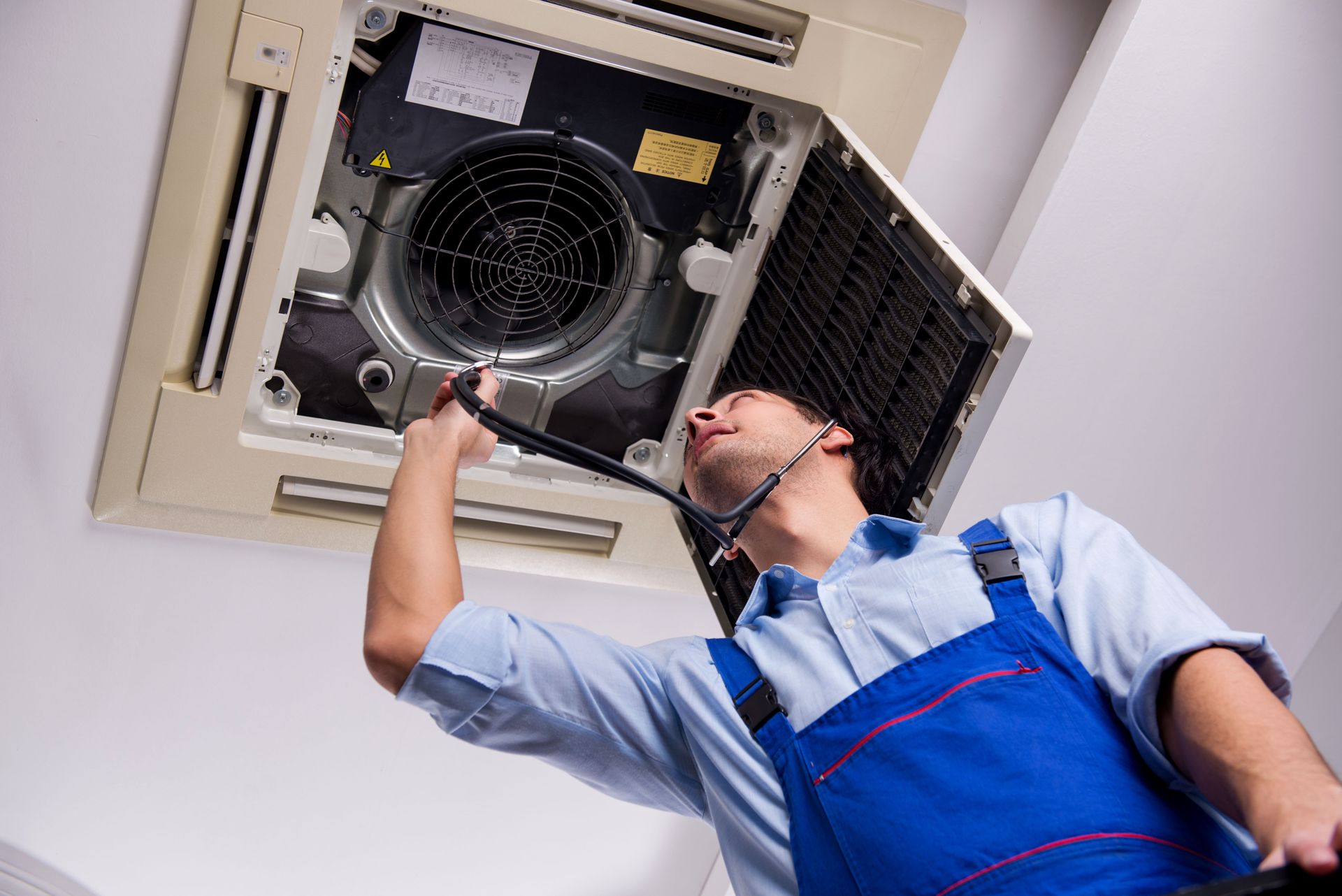
HVAC repairs or replacements for damaged components is key to maintaining an energy-efficient system. Worn-out motors, for instance, can significantly decrease efficiency due to their increased power consumption. Regular inspections help identify such issues early, allowing for prompt HVAC repairs or replacements. High-efficiency parts often hold the potential for performance boosts beyond the original specifications. This proactive approach ensures long-term savings and system reliability.
Calibration and recalibration of controls enhance system performance by ensuring that components operate within optimal parameters. Proper calibration reduces unnecessary strain on the system and prevents energy waste. Smart controls can be adjusted to account for changing patterns of usage or external temperature fluctuations. Regular recalibration ensures that these settings reflect current operational needs. As a result, the system operates both efficiently and effectively.
The Role of Regular Maintenance in Sustaining Efficiency
Creating a comprehensive maintenance schedule is central to sustaining HVAC efficiency. Regular maintenance helps identify minor issues before they become significant problems, avoiding costly HVAC repairs. Routine tasks such as filter changes, cleaning, and inspections ensure that systems run smoothly. Scheduling seasonal maintenance can preempt issues that arise from environmental changes. Through diligent maintenance, energy efficiency gains are preserved over time.
Seasonal tune-ups offer specific benefits catering to the varying demands of each season. In the winter, checking for proper seal and insulation prepares systems for colder temperatures. Summer maintenance focuses on refrigerant levels and airflow to cope with the heat. Tailoring maintenance activities to seasonal needs ensures peak performance throughout the year. This approach balances energy efficiency with comfort, providing optimized results.
Best practices for filter replacement involve selecting the appropriate filter type and ensuring timely replacements. High-quality filters improve air quality while maintaining system efficiency. Clogged or dirty filters restrict airflow and force HVAC components to work harder. Establishing a regular replacement schedule keeps systems operating efficiently and prevents unnecessary strain. Ultimately, this maintenance aspect supports both system longevity and energy savings.
Future Trends in Energy Efficient HVAC Technology
Emerging technologies promise to revolutionize HVAC efficiency by introducing new capabilities. Heat pumps, for instance, offer versatile temperature control with minimal energy use. Variable refrigerant flow (VRF) systems provide adaptable performance in response to specific environmental conditions. These technologies present opportunities for significant improvements in energy efficiency. Staying informed about such advancements allows for strategic upgrades that support long-term sustainability.
Integrating renewable energy sources, like solar panels or geothermal systems, into HVAC systems enhances sustainability. These energy sources reduce reliance on fossil fuels, decreasing overall environmental impact. Geothermal heating, for example, leverages consistent underground temperatures for efficient heating and cooling. Such systems often work in tandem with existing HVAC infrastructure for seamless integration. As policymakers increasingly promote renewables, their integration becomes progressively more feasible.
As the world moves towards more sustainable practices, the significance of energy-efficient HVAC repairs cannot be overstated. By understanding the intricacies of HVAC systems and implementing both advanced and simple efficiency strategies, we not only reduce our environmental impact but also experience significant savings. Regular audits, targeted HVAC repairs, and technological adoption are critical in maintaining and enhancing system efficiency. If you're looking for quality HVAC repairs, contact Temperature Engineering today.