April 4, 2026
Commercial buildings rely on HVAC systems that can perform consistently under demanding conditions. From maintaining indoor comfort to controlling operating costs, the effectiveness of your system plays a direct role in overall building performance. As systems age or business needs evolve, strategic upgrades become essential—not just for efficiency, but for reliability and scalability.
According to ZipDo, the potential energy savings from upgrading HVAC systems in commercial buildings can get up to 30%, making these improvements a high-impact investment. However, realizing those savings depends heavily on proper planning, installation, and ongoing service. This is where working with an experienced HVAC contractor becomes critical.
Below are the most recommended upgrades for commercial buildings, with a strong focus on the core services that ensure long-term performance: installation, repair, maintenance, and system optimization.
1. Upgrade to Professionally Engineered HVAC Installations
Upgrading outdated equipment is one of the most effective ways to improve efficiency, but the real value comes from how the system is engineered and installed. Commercial HVAC systems are rarely one-size-fits-all—they require customization based on building size, layout, and usage patterns.
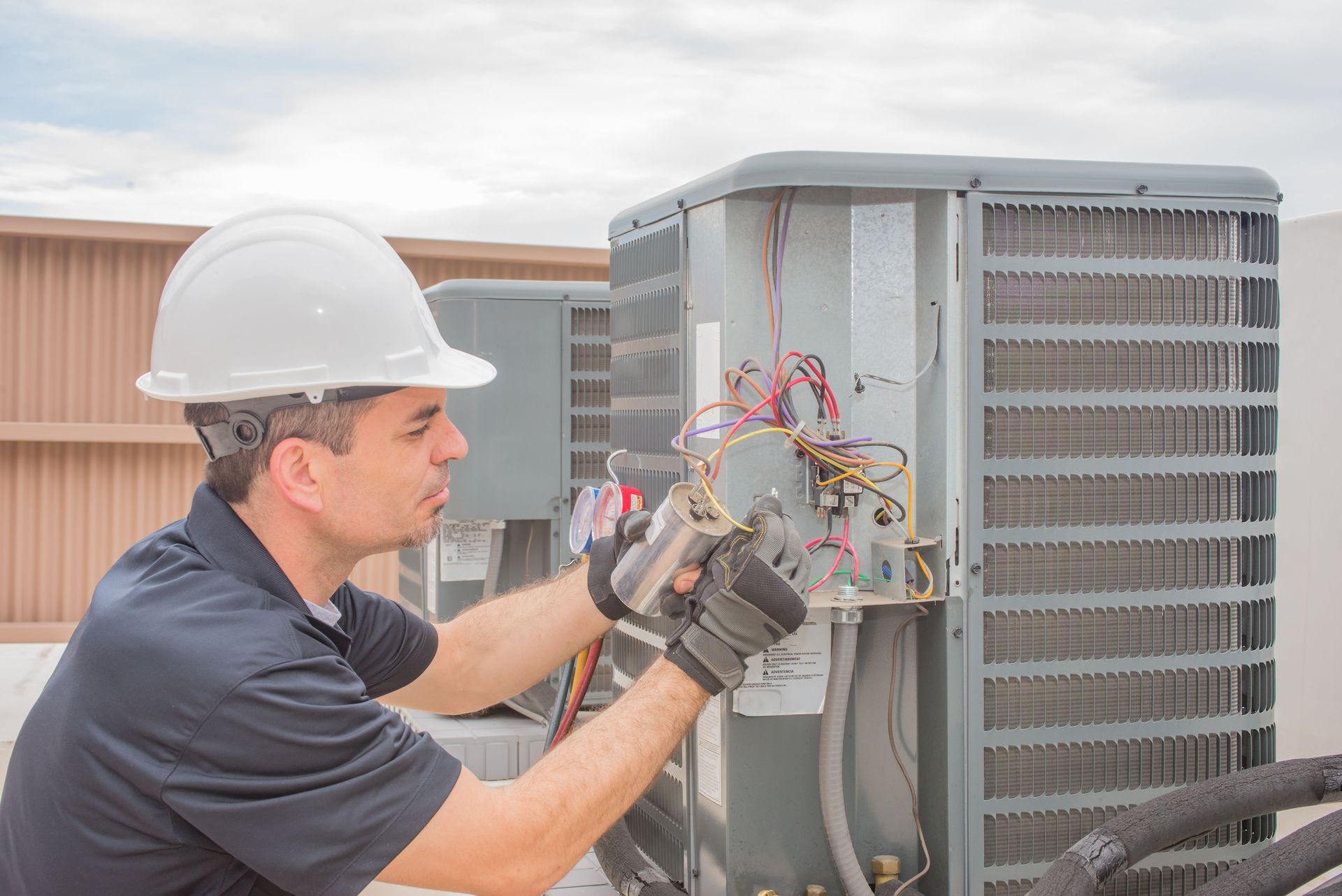
A qualified HVAC contractor evaluates load requirements, airflow demands, and system compatibility before recommending a solution. Proper installation ensures the system operates efficiently from day one, avoiding issues like short cycling, uneven temperatures, and premature wear. DIY or poorly executed installations often lead to long-term inefficiencies that outweigh any upfront cost savings.
2. Upgrade to Preventative Maintenance Programs
Preventative maintenance is one of the most cost-effective upgrades a commercial property owner can implement. Rather than waiting for problems to occur, routine service helps identify and resolve issues early.
An HVAC contractor typically includes inspections, filter replacements, system cleaning, and performance testing as part of a maintenance plan. These services extend equipment lifespan, maintain energy efficiency, and reduce the likelihood of unexpected breakdowns. In high-demand commercial environments, skipping maintenance can quickly lead to expensive repairs and operational disruptions.
3. Upgrade to Rapid-Response Repair Support
Even well-maintained systems can experience unexpected failures. That's why having access to reliable repair services is a critical part of any HVAC upgrade strategy.
An experienced HVAC contractor provides fast diagnostics and timely repairs to minimize downtime. In commercial settings, delays can impact productivity, tenant satisfaction, or revenue. Attempting DIY repairs in these situations often leads to misdiagnosis, safety concerns, and further damage. Professional repair services ensure problems are resolved quickly and correctly the first time.
4. Upgrade to High-Performance Commercial Cooling Systems
Cooling systems are often the most heavily used component in commercial HVAC setups. Upgrading to modern, high-performance air conditioning systems can significantly improve efficiency and indoor comfort.
A knowledgeable HVAC contractor will assess cooling loads, occupancy levels, and environmental factors to recommend the right system. Proper installation and calibration are essential to achieving optimal airflow and temperature consistency. Without professional input, systems may be improperly sized or configured, resulting in higher energy costs and reduced performance.
5. Upgrade to Reliable Commercial Heating Systems
Heating systems are equally important, particularly in regions with cold winters. An upgrade ensures consistent performance, improved energy efficiency, and reduced risk of system failure during peak demand.
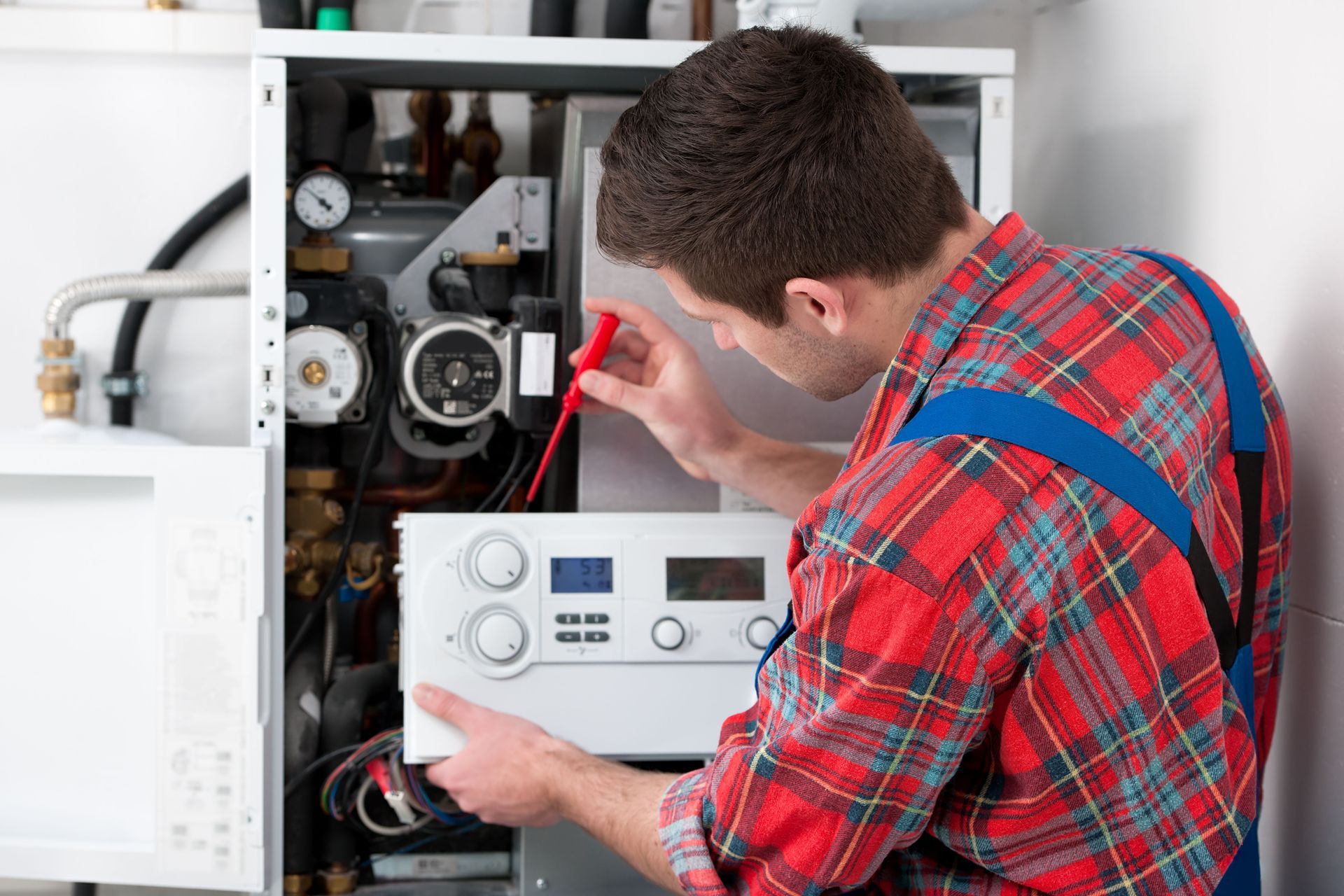
An HVAC contractor evaluates existing equipment, fuel sources, and heating capacity to determine the best solution. Professional installation and repair services ensure the system operates safely and effectively. DIY approaches in commercial heating systems can lead to serious safety risks and compliance issues, making professional oversight essential.
6. Upgrade to Custom Ductwork and Airflow Optimization
Airflow plays a critical role in HVAC performance, yet it is often overlooked. Inefficient ductwork can lead to uneven temperatures, increased energy use, and unnecessary strain on equipment.
Custom ductwork design and airflow optimization are key services provided by experienced HVAC contractors. These upgrades improve air distribution and system efficiency by eliminating leaks and balancing airflow. Professional fabrication and installation ensure the system performs as intended, while DIY modifications often introduce more problems than they solve.
7. Upgrade to Advanced System Diagnostics and Testing
Modern HVAC upgrades increasingly rely on data-driven insights. Advanced diagnostics and testing allow professionals to identify inefficiencies, performance issues, and potential failures before they escalate.
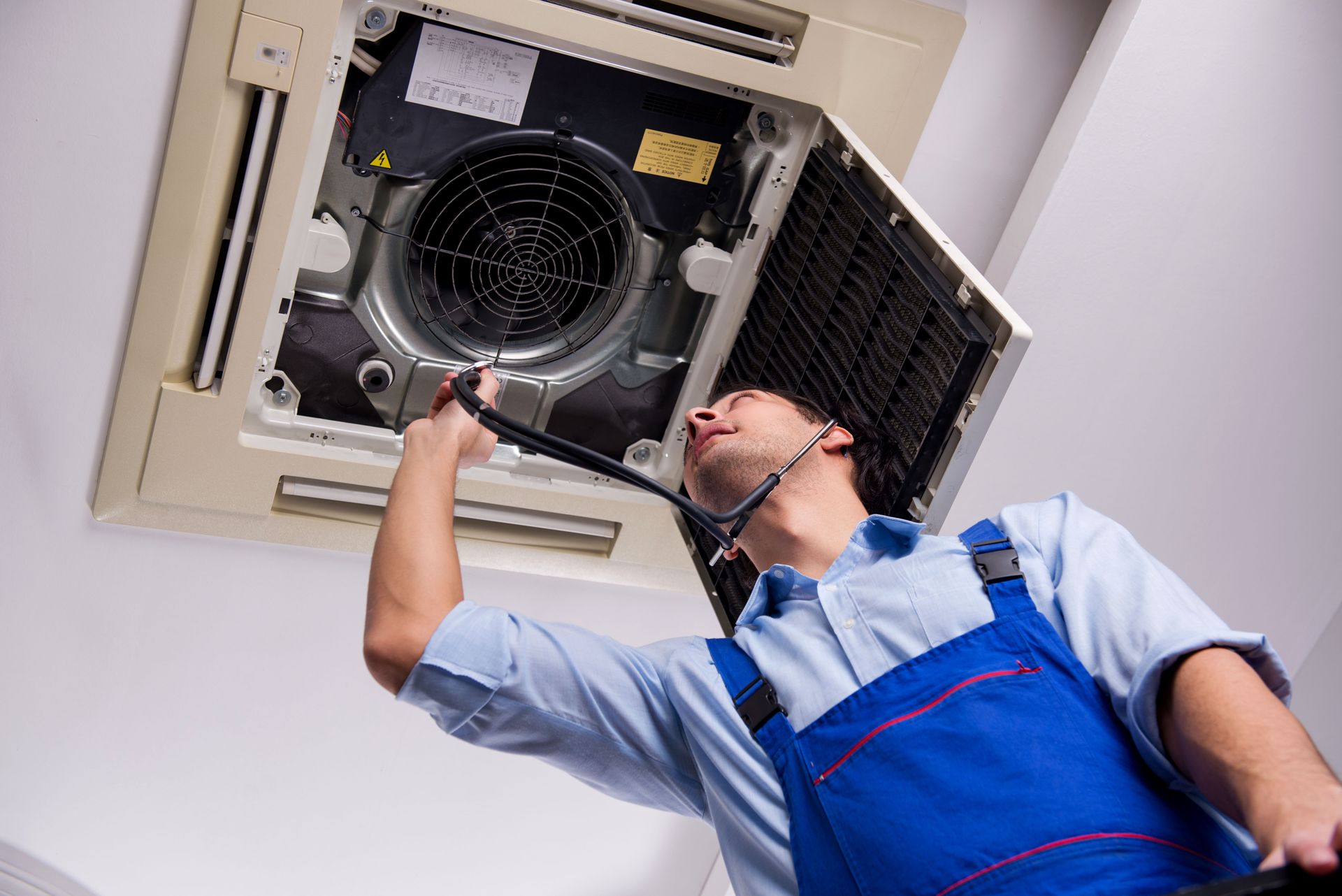
An HVAC contractor uses specialized tools to measure airflow, refrigerant levels, and system performance. These insights enable targeted upgrades rather than unnecessary replacements. Without proper diagnostics, building owners may invest in solutions that fail to address the root cause of inefficiency.
8. Upgrade to Integrated Mechanical and Electrical Systems
HVAC systems depend on a network of mechanical and electrical components working together. Upgrading these interconnected systems can improve overall performance and reliability.
An HVAC contractor ensures that all components—from controls to power systems—are properly integrated. This reduces the risk of system conflicts and improves operational efficiency. Coordinating these upgrades without professional expertise often leads to compatibility issues and inconsistent performance.
9. Upgrade to Scalable HVAC Solutions
Commercial buildings often change over time, whether through expansion, renovations, or shifts in occupancy. HVAC systems should be designed with flexibility in mind.
An experienced HVAC contractor recommends scalable solutions that can adapt to future needs. This may include modular equipment, adaptable ductwork, or systems designed for phased expansion. Planning for scalability helps avoid costly retrofits and ensures the system continues to meet demand as the building evolves.
10. Upgrade to Full-Service HVAC Management
One of the most valuable upgrades is transitioning from reactive service to a comprehensive, full-service approach. This includes installation, maintenance, repair, and ongoing system optimization under a single strategy.
A full-service HVAC contractor takes a proactive role in managing system performance, identifying opportunities for improvement, and ensuring consistent operation. This approach reduces downtime, improves efficiency, and simplifies long-term system management. Without professional oversight, building owners often face fragmented service and inconsistent results.
11. Upgrade to Energy Usage Monitoring and Reporting
Energy visibility is a powerful yet often underutilized upgrade in commercial HVAC systems. Monitoring tools track real-time energy consumption, identify inefficiencies, and highlight patterns that drive unnecessary costs. With detailed reporting, building managers can make informed decisions about scheduling, system adjustments, and future upgrades.
An experienced HVAC contractor can implement and calibrate these tools to ensure accurate data collection and meaningful insights. Without professional setup, monitoring systems may produce misleading data, limiting their effectiveness. When properly deployed, energy tracking becomes a strategic asset for improving performance and controlling long-term operating expenses.
12. Upgrade to Improved Ventilation and Fresh Air Intake
Proper ventilation is essential for maintaining indoor air quality and occupant comfort in commercial environments. Upgrading fresh air intake systems ensures a consistent flow of clean air while reducing the buildup of pollutants and humidity. An HVAC contractor can evaluate your building's ventilation needs and recommend solutions that balance air quality with energy efficiency.
These upgrades are particularly important in high-occupancy spaces where air circulation directly impacts health and productivity. Attempting to modify ventilation systems without professional guidance can disrupt airflow balance and strain HVAC equipment, making expert design and installation critical for optimal results.
Upgrading your commercial HVAC system is one of the most effective ways to improve efficiency, reduce costs, and enhance occupant comfort. With potential energy savings reaching up to 30%, these improvements offer both immediate and long-term returns. However, the success of any upgrade depends on proper design, installation, and ongoing service.
Working with a qualified HVAC contractor ensures that each upgrade is executed with precision, minimizing risk and maximizing performance. From preventative maintenance and rapid repairs to custom installations and system optimization, professional expertise is essential at every stage.
At Temperature Engineering, we take a comprehensive approach to commercial HVAC, helping businesses implement smart upgrades that deliver lasting results. If you're ready to improve system performance and reduce operational costs, contact us today to discuss the right solution for your building.