December 8, 2025
Commercial HVAC systems operate under demanding conditions, supporting everything from manufacturing floors and office buildings to healthcare facilities, retail complexes, schools, and large industrial environments. With so many responsibilities placed on heating, ventilation, and cooling equipment, keeping everything running efficiently is far from optional—it's essential to comfort, safety, operations, and cost control. That’s why seasonal checkups are invaluable for any business that relies on climate-controlled environments. These proactive evaluations help prevent downtime, improve energy performance, extend system lifespan, and support smarter long-term operating costs. For any organization aiming for predictable performance and high reliability, seasonal service is one of the easiest and most effective investments available.
1. Improve Energy Efficiency Through Seasonal Maintenance
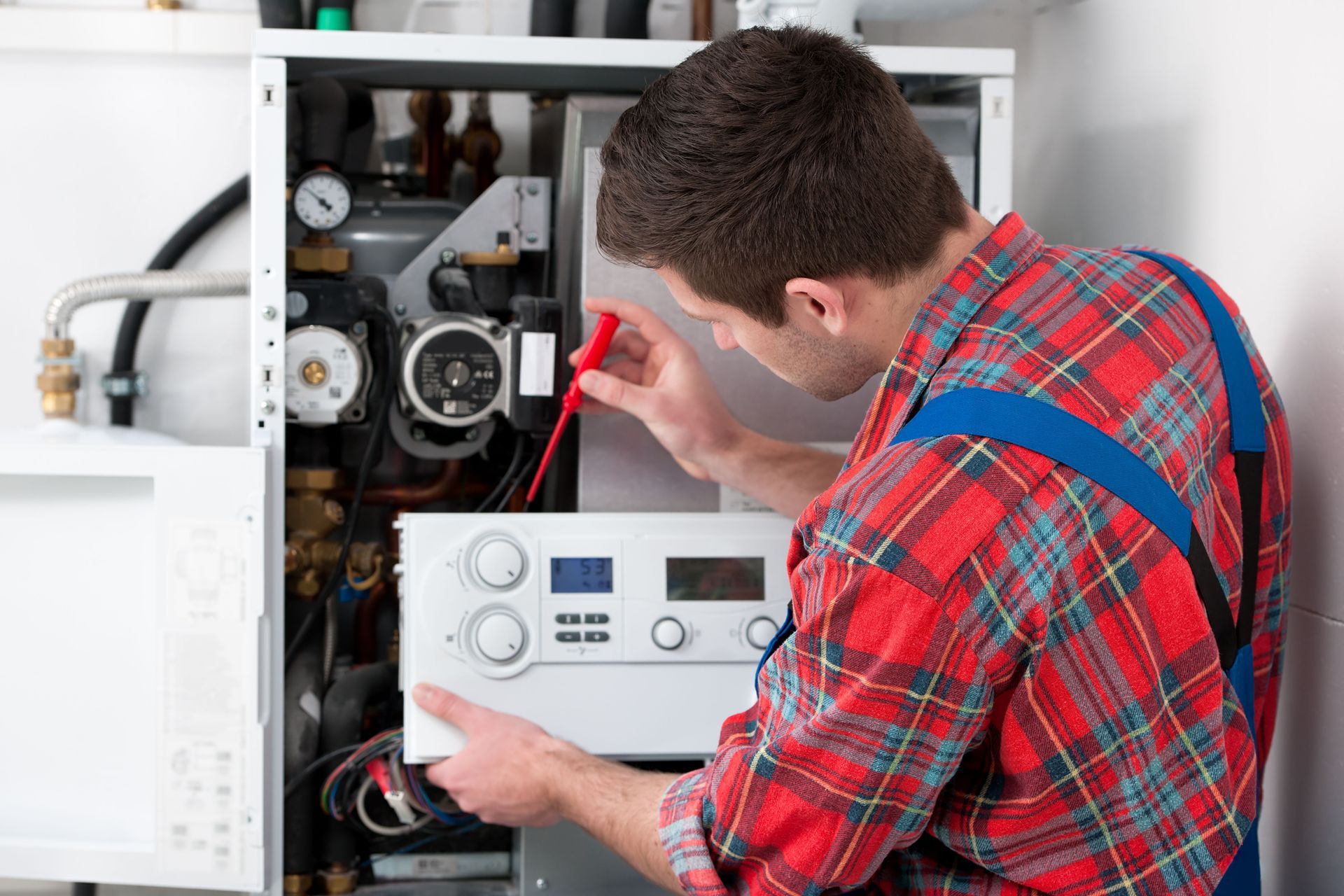
Energy efficiency is one of the top concerns for property managers and facility directors, especially as commercial buildings face increasing pressure to reduce consumption and operating costs. A qualified HVAC contractor plays a crucial role in helping businesses reach these goals by addressing the mechanical and environmental factors that influence energy use throughout the year. Seasonal visits allow technicians to clean coils, inspect belts, check airflow, and confirm that fans, blowers, and dampers are functioning as designed. Even small performance issues can force a commercial HVAC system to overwork and waste energy. This routine maintenance translates into direct savings when equipment no longer needs to compensate for preventable inefficiencies.
During these visits, technicians can also recalibrate thermostats, verify automation settings, and ensure equipment is communicating properly with building management systems. Many commercial buildings run on outdated or poorly optimized schedules, causing unnecessary runtime. Fine-tuning these settings, especially ahead of cooling and heating seasons, gives businesses stronger control over energy usage and helps prevent costly surprises. These improvements also align with broader industry efforts toward sustainability. According to Utility Drive, the American Society of Heating, Refrigerating and Air-Conditioning Engineers (ASHRAE) aims for new commercial construction covered by Standard 90.1 to reach carbon-neutral performance within three code cycles, with a stated goal year of 2031, highlighting the continued push toward higher-efficiency building systems.
2. Reduce Repair Costs Through Early Problem Detection
Unexpected HVAC failures can disrupt business operations, reduce productivity, and lead to emergency service charges—costs no organization wants to incur. A proactive seasonal approach minimizes these risks by identifying small concerns before they evolve into expensive repairs. When a skilled HVAC contractor performs a seasonal inspection, they can spot symptoms like worn belts, electrical irregularities, fluctuating pressures, or declining output levels. These issues typically develop long before a noticeable system failure occurs, giving facility managers an opportunity to take corrective action early. Addressing these concerns during a routine appointment is far more affordable than dealing with damage after the fact.
Another advantage of early detection is reduced system downtime. Many commercial environments depend on uninterrupted climate regulation and experience negative impacts when temperatures become unstable. Seasonal checkups help prevent these disruptions by ensuring that equipment is prepared for the upcoming workload.
Extending the lifespan of commercial HVAC equipment delivers major long-term savings. Replacing rooftop units, industrial chillers, or air handlers is a significant capital investment. When minor issues are corrected early, components last longer and avoid premature failure, allowing businesses to maximize the return on their initial equipment costs.
3. Enhance Indoor Air Quality for Occupants and Operations
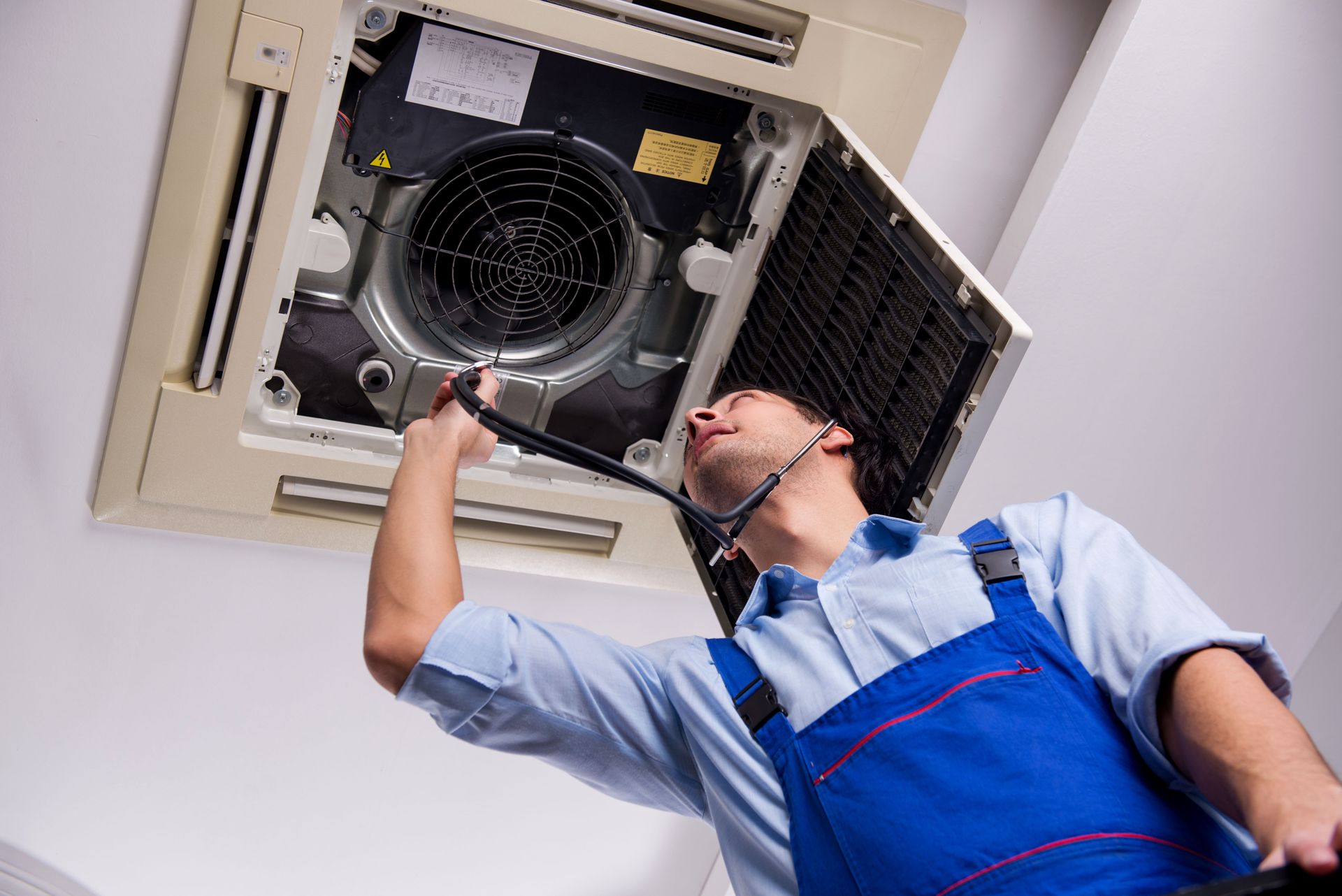
Indoor air quality affects more than comfort—it influences employee performance, customer experience, equipment protection, and overall building health. Seasonal checkups are one of the simplest and most effective tools for maintaining a clean, controlled indoor environment that meets commercial needs. A dedicated HVAC contractor ensures filters are replaced on schedule, preventing dirt, dust, and particulates from circulating through the building. In commercial facilities with high foot traffic or specialized air-quality requirements, clogged filters can strain equipment and degrade indoor conditions quickly.
Seasonal evaluations also catch moisture-related issues such as mold or mildew within ductwork or on coils. These problems not only compromise air quality but can also corrode internal components and reduce system efficiency over time. Addressing them early prevents microbial spread and protects both occupants and equipment. Humidity control is another major factor, particularly for buildings that house sensitive materials or electronics. Seasonal service allows technicians to verify that humidification and dehumidification systems are functioning correctly, ensuring a stable environment that supports both comfort and operational needs. Businesses may also benefit from add-on solutions such as UV lights or upgraded filtration technology, which further improve air quality and help reduce contaminants year-round.
4. Increase Reliability and Prevent Seasonal Failures
Reliability is everything in a commercial environment. When temperatures spike or drop unexpectedly, a building’s HVAC system must respond instantly—any hesitation can result in uncomfortable environments, interrupted operations, or damaged equipment. Seasonal checkups ensure systems are prepared for these demands. During these visits, a knowledgeable HVAC contractor will test electrical components, inspect safety controls, and verify that motors and blowers are functioning properly. Loose connections, worn contacts, or outdated controls can all lead to sudden failures that are completely avoidable with routine maintenance.
Refrigerant levels are another major concern. Incorrect levels can cause poor cooling performance, increased energy consumption, or compressor damage. Seasonal inspections help identify potential leaks or inefficiencies well before peak operating periods. Heat exchangers, burners, ignition systems, and ventilation pathways are also evaluated to ensure safe and consistent heating performance. These steps are crucial for preventing downtime and safeguarding building occupants, especially in facilities where temperature stability is tied to safety or production quality. Preparing equipment before extreme weather ensures that cooling and heating capacity remains reliable when it matters most. This proactive approach allows businesses to plan workloads, schedule projects, and maintain comfort without the fear of unexpected failures.
5. Support Warranty Compliance and Long-Term Asset Management
Commercial HVAC systems typically come with robust manufacturer warranties, but these protections often require proof of regular maintenance. Seasonal checkups help businesses maintain compliance, ensuring their systems remain eligible for covered repairs or part replacements. A qualified HVAC contractor documents each service visit, creating a maintenance record that validates proper care. This documentation is essential not only for warranty claims but also for insurance filings or equipment audits. When mechanical issues arise, having a well-maintained paper trail simplifies the process.
Adhering to manufacturer guidelines also helps ensure that equipment performs as intended. Many commercial systems include advanced technology—economizers, variable-frequency drives, building automation integrations—that require fine-tuning to deliver peak performance. Seasonal checkups ensure these features continue to operate correctly and efficiently. These records become valuable during property transactions or equipment upgrades. Prospective buyers, investors, or facility managers can quickly see how well the building’s mechanical systems were maintained, improving resale value and overall credibility. In many cases, documented routine maintenance translates into better long-term asset performance.
Routine seasonal maintenance offers immense advantages to commercial buildings, from energy efficiency and air quality improvements to reduced repair costs and extended equipment life. Businesses rely heavily on their HVAC systems, and proactive care ensures those systems remain dependable, cost-effective, and aligned with modern sustainability goals. Whether you operate a large industrial facility or manage a multi-tenant commercial building, staying ahead of seasonal demands keeps operations running smoothly and minimizes financial risk.
If your business is ready to work with an experienced
HVAC contractor, Temperature Engineering is here to keep your systems strong, efficient, and reliable. We provide comprehensive commercial HVAC services and support businesses across Southeast Michigan with responsive service, skilled technicians, and long-term system expertise. Contact Temperature Engineering today to schedule your next seasonal checkup and experience the difference a dedicated commercial HVAC partner can make.