May 5, 2026
For any business, the HVAC system is more than a background utility. It directly impacts comfort, indoor air quality, productivity, and operating costs. Whether you manage an office, retail space, restaurant, warehouse, or industrial facility, understanding how your system works can help you make better decisions about maintenance, efficiency, and long-term planning. A well-functioning HVAC system keeps employees comfortable, customers satisfied, and operations running smoothly. When issues arise, knowing what to look for allows businesses to act quickly and avoid disruptions that could affect performance and profitability, including the need for unexpected commercial HVAC repairs.
Taking the time to understand your HVAC system also helps you stay proactive rather than reactive. By recognizing how different components work together and what influences performance, businesses can plan maintenance schedules, anticipate potential issues, and make informed decisions about repairs or upgrades. This level of awareness supports better budgeting, improves system reliability, and helps maintain a consistent indoor environment throughout the year.
Understanding Components Through System Basics
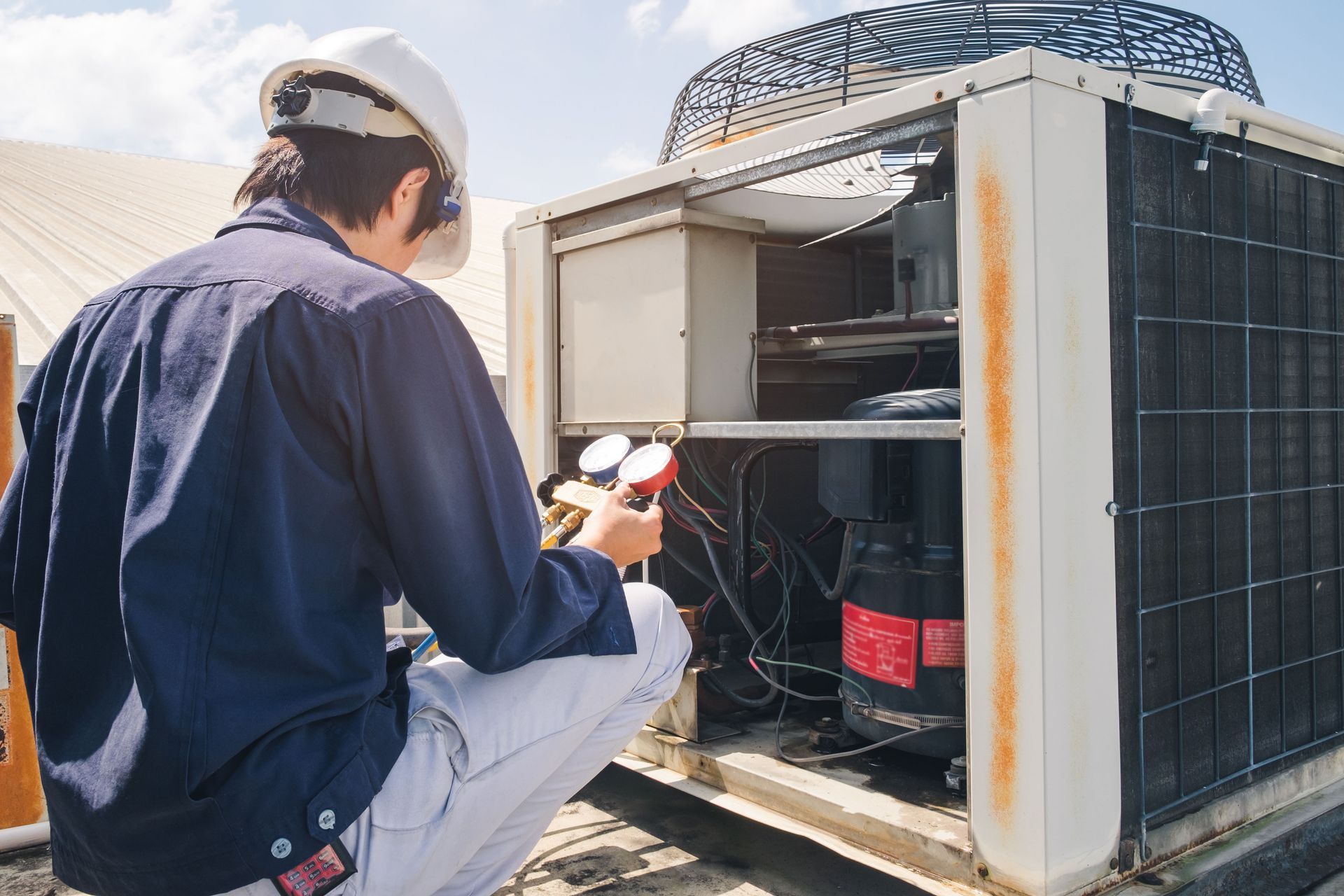
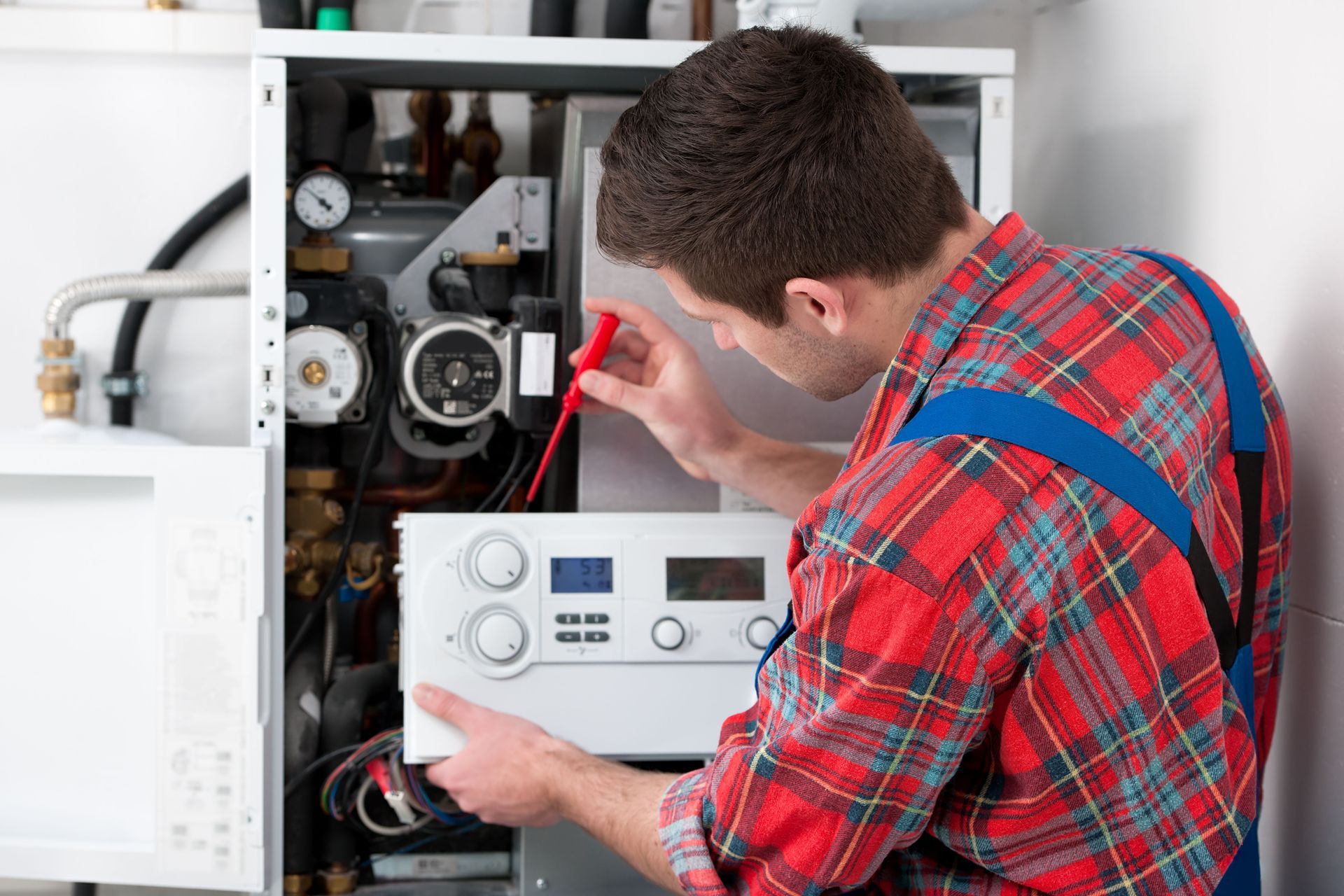
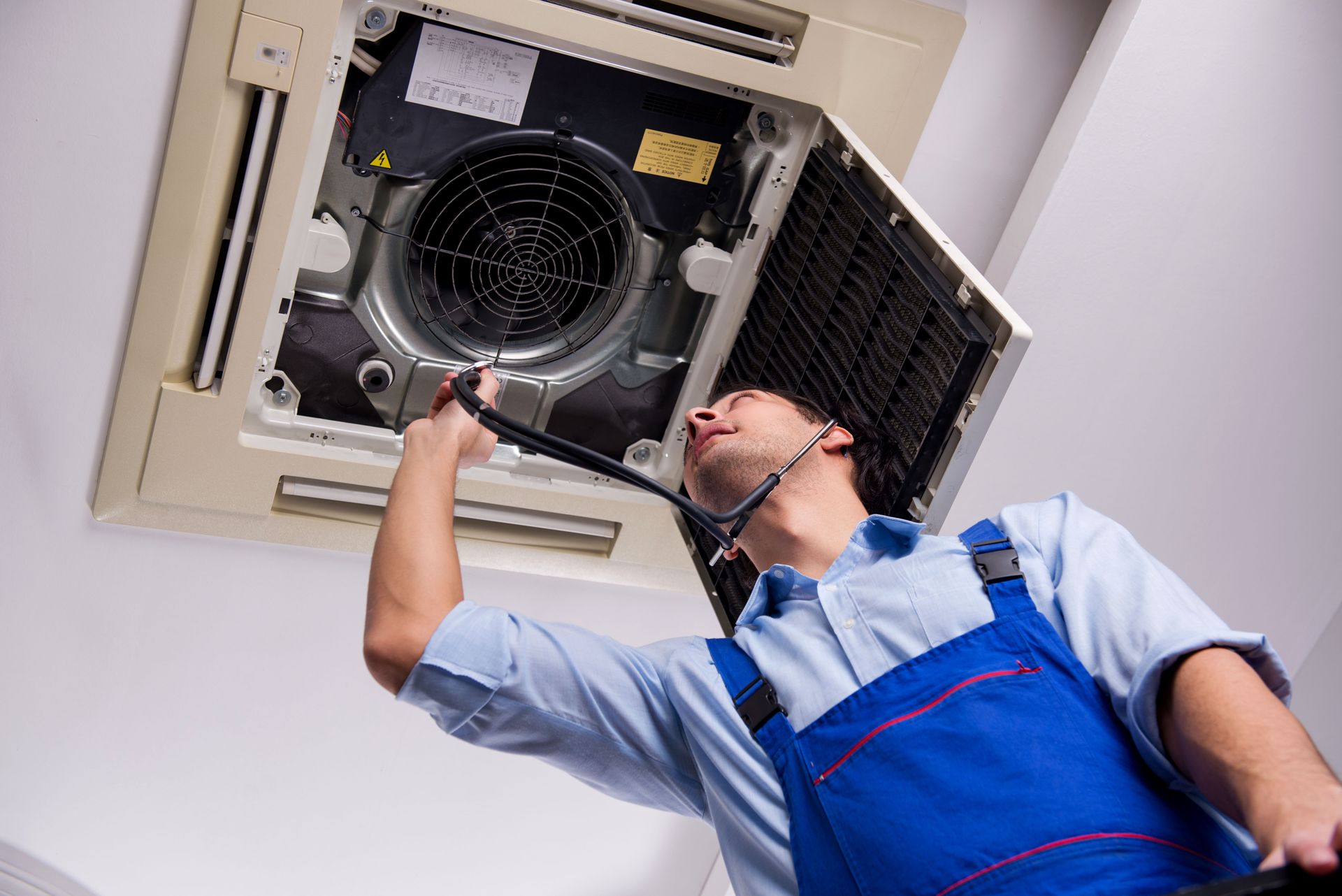
A commercial HVAC system is made up of several key components that work together to regulate temperature and airflow. These systems may include rooftop units, furnaces, boilers, chillers, air handlers, ductwork, thermostats, and ventilation systems. Each part plays a specific role, and when one component underperforms, it can affect the entire system. Understanding these basics helps business owners and facility managers recognize when something is not functioning as it should.
This foundational knowledge also makes communication with technicians more effective. For instance, inconsistent temperatures, poor airflow, or unusual sounds may point to specific issues within the system. Identifying early warning signs can help businesses schedule commercial HVAC repairs before problems escalate, reducing downtime and avoiding costly system failures. A stronger understanding of system components also helps teams respond more confidently when performance issues arise.
Improving Comfort Through Better Airflow
Airflow is essential to maintaining a comfortable indoor environment. Even the most advanced HVAC equipment cannot perform efficiently if air is not properly distributed throughout the building. Blocked vents, dirty filters, or damaged ductwork can create uneven temperatures, leading to discomfort for employees and customers. Poor airflow can also place additional strain on the system, causing it to work harder than necessary. Over time, this added strain can increase wear on components and reduce the overall lifespan of the equipment.
Maintaining proper airflow supports both comfort and system efficiency. Regular inspections and cleaning help keep ducts clear and ensure that air moves freely throughout the space. Addressing airflow issues early through commercial HVAC repairs can restore balance within the system and improve overall performance without requiring a full replacement. Balanced airflow also helps maintain consistent humidity levels, which contributes to a more stable and comfortable indoor environment while supporting better indoor air quality overall.
Reducing Costs Through Energy Efficiency
Energy efficiency is a major concern for businesses, especially since HVAC systems are often one of the largest contributors to energy consumption. Inefficient systems can lead to high utility bills and unnecessary energy waste. Factors such as outdated equipment, poor maintenance, and incorrect system sizing can all reduce efficiency and increase operating costs. These inefficiencies can also cause systems to cycle more frequently, putting additional stress on components and increasing the likelihood of breakdowns.
Improving efficiency starts with proper maintenance and system optimization. Clean filters, calibrated thermostats, and sealed ductwork can significantly improve performance. Businesses that invest in regular service and timely commercial HVAC repairs can reduce energy usage while extending the lifespan of their equipment, ultimately lowering long-term expenses. Upgrading controls or implementing zoning strategies can further improve efficiency and reduce unnecessary energy use while providing better control over different areas of the building.
Maintaining Performance Through Routine Service
Routine HVAC maintenance plays a critical role in keeping systems running efficiently and safely. During scheduled service visits, technicians inspect key components, clean coils, check refrigerant levels, and test system controls. These preventive measures help reduce the risk of unexpected breakdowns, especially during peak heating and cooling seasons. Regular servicing also helps maintain consistent system performance, preventing gradual declines that can impact comfort and efficiency.
Regular maintenance also provides valuable insight into the condition of the system. Instead of reacting to emergencies, businesses can plan for repairs or upgrades based on system performance. This proactive approach helps minimize disruptions and ensures that the HVAC system continues to operate at its best throughout the year. Consistent service also helps identify small inefficiencies that may otherwise go unnoticed, allowing businesses to address issues before they develop into costly problems.
Protecting Equipment Through Early Detection
Minor HVAC issues can quickly become major problems if left unaddressed. A small leak, worn component, or clogged filter can place stress on other parts of the system, leading to more extensive damage over time. Ignoring these early signs often results in higher repair costs and potential system failure. Over time, these issues can also reduce system efficiency, causing the equipment to work harder and increasing overall energy consumption.
Recognizing warning signs such as unusual noises, rising energy bills, or inconsistent temperatures allows businesses to act quickly. Scheduling commercial HVAC repairs at the first sign of trouble helps prevent larger issues, reduces downtime, and protects the overall investment in HVAC equipment. Early intervention also supports safer system operation and helps maintain reliable performance while minimizing the risk of unexpected breakdowns during peak usage periods.
Supporting Health Through Indoor Air Quality
Indoor air quality is an important factor in maintaining a safe and productive work environment. HVAC systems play a key role in filtering and circulating air, helping to remove dust, allergens, and other airborne particles. Poor air quality can lead to discomfort, reduced productivity, and potential health concerns for employees and customers. It can also contribute to lingering odors and an overall decline in workplace comfort, which may affect how people perceive the space.
Businesses can improve air quality by maintaining clean filters, ensuring proper ventilation, and keeping ductwork in good condition. According to ReAnIn, the industrial and commercial sectors account for nearly 55% of HVAC duct installations, driven by factories, office buildings, and retail spaces that require large-scale ventilation systems. This highlights the importance of maintaining effective airflow and filtration in commercial environments. Cleaner air also contributes to a more positive experience for employees and visitors while supporting a healthier and more productive indoor environment.
Planning Upgrades Through Operational Needs
Over time, HVAC systems may no longer meet the needs of a growing or changing business. Expanding facilities, increased occupancy, or evolving operational requirements can put additional strain on existing systems. In these cases, it may be more cost-effective to upgrade rather than continue repairing outdated equipment.
Evaluating system performance, repair frequency, and energy efficiency can help determine the best course of action. While commercial HVAC repairs can address many issues, there comes a point when upgrading to a more efficient system provides greater long-term value. Professional guidance can help businesses choose solutions that align with their specific needs and future goals.
Understanding your HVAC system allows you to make informed decisions that support comfort, efficiency, and long-term performance. From improving airflow and reducing energy costs to maintaining air quality and planning upgrades, each aspect of your system plays a role in your business’s success. By staying proactive and addressing issues early, businesses can extend the life of their equipment and avoid unnecessary disruptions. Timely commercial HVAC repairs also play a key role in maintaining system reliability and preventing costly breakdowns. For reliable service and expert support, contact Temperature Engineering to keep your HVAC system performing at its best.